Teeth Whitening Service: A Professional Approach to a Brighter, Healthier-Looking Smile

A bright smile has long been associated with vitality, confidence, and strong personal presentation. Over time, however, teeth naturally lose their brilliance due to aging, dietary habits, and environmental factors. While daily brushing and flossing are essential for maintaining oral hygiene, they are often not enough to eliminate deeper stains or restore a youthful shade. This is where a professional teeth whitening service becomes an effective and carefully managed solution.

Teeth whitening is one of the most requested cosmetic dental treatments because it delivers noticeable results with minimal disruption to daily life. Unlike restorative procedures that focus on structural repair, whitening services are centered on enhancing the appearance of natural teeth by reducing discoloration and lifting stains embedded within enamel. When performed professionally, whitening treatments are customized to ensure both safety and optimal results, making them a reliable option for individuals seeking a refreshed smile. Visit Website for further information.
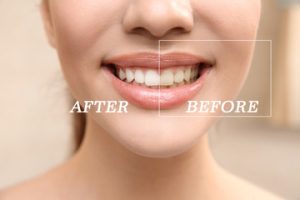
Dental Care

To understand how teeth whitening services work, it is important to examine the nature of tooth discoloration. Teeth can become stained for several reasons, and not all stains respond the same way to treatment. Broadly speaking, discoloration falls into two primary categories:

  1. Extrinsic stains, which affect the outer enamel surface and are commonly caused by coffee, tea, red wine, tobacco use, and pigmented foods.
  2. Intrinsic stains, which develop beneath the enamel due to aging, trauma, certain medications, or internal changes within the tooth structure.

Professional teeth whitening services are designed to address both types of stains using specialized whitening agents that penetrate the enamel and break down discoloration molecules. These agents are carefully formulated to lighten teeth while minimizing irritation to surrounding gum tissue.

One of the most significant advantages of choosing a professional teeth whitening service over over-the-counter products is the level of personalization involved. A dental professional evaluates the current shade of your teeth, assesses oral health, and determines whether whitening is appropriate. Issues such as untreated cavities, gum inflammation, or exposed roots must be addressed before beginning any whitening procedure. This comprehensive evaluation ensures that the treatment is both safe and effective.

Professional whitening treatments typically involve higher-strength whitening agents than those found in store-bought kits. Because these solutions are administered under controlled conditions, they can produce more dramatic results in a shorter timeframe. In-office whitening procedures are often completed within a single visit, making them an appealing choice for individuals preparing for special events or important milestones. The controlled environment allows for careful monitoring, reducing the risk of uneven whitening or gum irritation.

In addition to in-office treatments, many dental practices offer customized take-home whitening systems. These systems include professionally fabricated trays that fit precisely over the teeth, ensuring even distribution of the whitening gel. Compared to generic trays, custom-fit trays reduce the likelihood of leakage and increase overall comfort. Patients use the trays according to specific instructions, gradually achieving a brighter shade over several days or weeks.

The whitening process itself is grounded in chemistry. Whitening agents typically contain peroxide-based compounds that release oxygen molecules when applied to the tooth surface. These oxygen molecules penetrate the enamel and break apart stain compounds, effectively reducing their visibility. The structure of the tooth remains intact; the change occurs at a molecular level within the discoloration itself. This mechanism allows for effective stain removal without altering the tooth’s fundamental composition.

While teeth whitening services are highly effective, realistic expectations are essential. Whitening treatments can significantly lighten natural teeth, but they do not alter the color of existing restorations such as crowns, veneers, or fillings. Individuals with visible restorations may require additional cosmetic planning to achieve uniform results. A professional consultation helps determine the best course of action for balanced aesthetics.

There are several key benefits associated with professional teeth whitening services:

  1. Noticeable improvement in tooth shade within a controlled and safe environment.
  2. Customization based on individual oral health and sensitivity levels.
  3. Reduced risk of gum irritation compared to unsupervised treatments.
  4. Long-lasting results when supported by proper maintenance.

Beyond aesthetics, whitening services can have a meaningful psychological impact. Many individuals report increased self-confidence after brightening their smiles. A whiter smile often encourages more frequent smiling and greater comfort in social or professional interactions. This boost in self-assurance can positively influence communication and overall presence.

Sensitivity is a common concern associated with teeth whitening. Some individuals experience temporary tooth sensitivity during or shortly after treatment. Professional whitening services address this concern by using desensitizing agents and adjusting treatment intensity as needed. Additionally, dental professionals can recommend specific products to strengthen enamel and reduce discomfort during the whitening process. Temporary sensitivity typically resolves within a short period.

Preparation plays a critical role in the success of any whitening treatment. A professional cleaning before whitening removes plaque and surface buildup, ensuring that whitening agents can contact the enamel directly. Clean teeth respond more predictably and evenly to treatment. This preparatory step enhances overall results and contributes to a more uniform shade improvement.

Maintenance is equally important in preserving whitening results. Teeth are constantly exposed to staining substances, and lifestyle habits influence how long whitening effects last. Individuals who regularly consume pigmented beverages or smoke may notice faster recurrence of discoloration. To maintain a brighter smile, dental professionals often recommend:

  1. Limiting consumption of highly pigmented foods and drinks.
  2. Using a straw when consuming staining beverages to reduce direct contact with teeth.
  3. Practicing consistent oral hygiene, including brushing and flossing.
  4. Scheduling periodic touch-up treatments as recommended.

The longevity of whitening results varies from person to person. With proper care, professional whitening can last from several months to a few years. Periodic maintenance treatments help sustain brightness without requiring full retreatment each time. A customized plan ensures that whitening remains both effective and manageable over the long term.

It is also important to recognize that teeth whitening is most effective on healthy, natural enamel. Individuals with severe intrinsic discoloration may require alternative cosmetic solutions if whitening alone does not achieve the desired outcome. A thorough consultation allows dental professionals to recommend the most appropriate treatment based on individual needs.

Another key advantage of professional whitening services is safety oversight. Overuse of whitening products or incorrect application can lead to enamel irritation or gum damage. Professional supervision minimizes these risks by controlling exposure time and concentration levels. The focus remains on achieving aesthetic improvement while preserving oral health.

Teeth whitening services are often part of a broader cosmetic dentistry strategy. Patients who are considering additional aesthetic procedures may choose to whiten their teeth first to establish a brighter baseline shade. This approach ensures that any subsequent cosmetic enhancements are matched to the newly brightened enamel for cohesive results.

As demand for cosmetic dental services continues to grow, advancements in whitening technology are enhancing both comfort and efficiency. Modern formulations aim to reduce sensitivity while maintaining powerful stain-lifting capabilities. These improvements reflect a growing emphasis on patient-centered care and predictable outcomes.

Ultimately, a professional teeth whitening service offers more than just aesthetic enhancement. It provides a structured, medically supervised pathway to a brighter smile that complements overall oral health. By combining careful evaluation, advanced whitening agents, and personalized maintenance strategies, professional whitening delivers reliable and satisfying results.

A brighter smile does not require invasive procedures or extensive downtime. With the guidance of trained dental professionals, teeth whitening services can safely rejuvenate your appearance and restore confidence in your smile. When supported by good oral hygiene and mindful lifestyle habits, the results can remain vibrant and long-lasting. Investing in professional teeth whitening is not simply about achieving a lighter shade—it is about embracing a refreshed sense of self-assurance backed by expert care and proven techniques.

Shaping Modern Spaces Through Rubbish Removal and Demolition

Rubbish removal and demolition create cleaner environments for new ideas to emerge. These practices go beyond clearing physical waste and broken structures because they also allow communities to reset and move forward. When spaces are reclaimed through careful removal, new opportunities take shape. This process supports safety, progress, and growth in meaningful ways.

Rubbish Removal

The task of rubbish removal is more than gathering unwanted items. It requires planning, sorting, and careful decision-making about what must be discarded and what can be preserved. Items left behind can often hold hidden value through reuse or recycling. This approach minimizes unnecessary waste and gives materials a second purpose.

Demolition, though often seen as destruction, is actually transformation. When a structure reaches the end of its life, dismantling it paves the way for renewal. Old spaces make way for safer, modern replacements that meet current needs. Without demolition, communities would struggle to adapt to changing demands.

Sustainable practices are becoming central to both rubbish removal and demolition. Modern methods reduce harmful impacts by diverting debris away from landfills. Materials like metal, wood, and concrete can be recovered and repurposed. This creates a cycle where waste becomes resource, lowering overall environmental strain.

One overlooked part of rubbish removal is the psychological effect. A cluttered environment can trap people in stress and delay progress. Clearing junk from homes or workplaces provides a sense of relief and control. Demolition has a similar impact by helping people let go of unsafe or unproductive spaces.

The link between safety and demolition cannot be ignored. Aging buildings may hide structural weaknesses that place lives at risk. Controlled demolition prevents sudden collapses and ensures that areas remain secure. In this way, removing what is dangerous becomes an act of protection.

Technology has added precision to these industries. Advanced tools and machinery allow professionals to remove rubbish or demolish buildings with greater efficiency. This reduces accidents, shortens timelines, and lowers overall costs. It also ensures that materials are separated and processed more effectively.

Community projects often rely on rubbish removal before new developments can begin. Open spaces, cleared of waste, provide grounds for parks, markets, or shared facilities. Demolition adds another dimension by offering a chance to repurpose land for housing, schools, or other needs. Together, they set the stage for progress.

Rubbish removal also plays a role in disaster recovery. After storms, floods, or fires, waste piles up quickly and hinders rebuilding. Swift removal of debris clears pathways for aid and reconstruction. Demolition then addresses damaged buildings that cannot be saved, ensuring a safe restart.

Cultural and historical values are considered during demolition. While some structures must fall, others may deserve preservation. Professional planning can balance these needs by salvaging important parts or repurposing old elements into new designs. This maintains heritage while allowing development.

Economically, these processes generate opportunities. Workers, technicians, and recycling facilities all benefit from rubbish removal and demolition activities. By recovering materials and reselling them, new industries emerge. The cycle strengthens local economies and supports long-term employment.

Environmental health is also protected through proper rubbish removal. Toxic items like chemicals, electronics, and construction waste require special handling. If not addressed, they contaminate soil and water. Organized removal prevents these dangers and promotes cleaner surroundings for communities.

The timing of demolition can influence urban growth. Clearing a neglected area opens potential for fresh investment. Businesses, housing, and public services follow where land is made available. This process can revive entire neighborhoods that were once stagnant.

Minimal disruption is a key goal in modern demolition. Noise, dust, and vibration are carefully managed to respect surrounding areas. Methods like selective demolition target only what needs to be removed, leaving useful structures intact. This balance keeps projects efficient while reducing harm.

Waste reduction is driving innovation in both fields. Advanced sorting systems identify recyclable components more accurately. Some facilities even turn debris into energy, creating new sources of power. These advancements transform rubbish from a burden into an asset.

Social wellbeing improves when rubbish and unsafe buildings are removed. Clean streets and functional spaces encourage healthier lifestyles. Parks, schools, and safe housing replace clutter and decay. Communities thrive when their environments are free from waste and danger.

Demolition and rubbish removal also influence property value. A cleared site often attracts higher interest from developers or buyers. Removing old waste signals readiness for new projects. This contributes to economic growth and revitalization of stagnant markets.

Public awareness campaigns highlight the importance of proper disposal and controlled demolition. Educating individuals about responsible practices encourages participation in recycling and waste reduction. This shared effort strengthens the impact of professional services.

Even in personal settings, rubbish removal carries weight. Households benefit from decluttering not only physically but emotionally. Small demolitions, such as tearing down sheds or walls, allow homeowners to reshape their space. These small acts reflect the broader benefits seen in larger projects.

Future directions point toward even greener methods. Robotics may soon play a larger role in sorting rubbish or dismantling structures. Safer, faster, and more sustainable practices will dominate. The integration of technology with environmental responsibility will shape the future of both industries.

Research is beginning to show the hidden links between waste management and public health. Communities with active rubbish removal programs report fewer cases of disease spread by pests. Demolition of unsafe buildings reduces exposure to mold, asbestos, and other hazards. This makes the practice not just a convenience but a matter of health protection.

Urban planners also recognize the value of timely demolition in shaping modern skylines. Instead of patching up structures that no longer serve, they choose removal to allow for future-ready buildings. These new designs often include green spaces, energy efficiency, and accessibility. Rubbish removal and demolition are thus hidden drivers of modern design.

Another important aspect is the emotional memory tied to spaces. Some communities resist demolition because of personal attachments. Yet, when done respectfully, removal can honor the past while still preparing for the future. Salvaged materials or commemorative projects can bridge this gap.

Innovation in waste-to-energy solutions adds another perspective. Certain facilities now turn demolition debris and rubbish into usable fuel. This method creates both cleaner environments and new energy supplies. Such innovation shows how rubbish removal is evolving into a resource-generating practice.

Rural and agricultural areas benefit from these practices too. Demolishing old barns or clearing waste from fields opens space for modern farming methods. Proper removal of junk like plastics or machinery parts ensures soil health. Agriculture thrives when waste is managed responsibly.

Educational institutions are beginning to integrate concepts of demolition and waste removal into studies. Students learn about recycling systems, material recovery, and sustainable design. This awareness prepares the next generation to continue improving the industry. Over time, cultural attitudes toward waste will shift toward long-term responsibility.

The financial side of demolition and rubbish removal is also noteworthy. While upfront costs may seem high, the long-term savings are substantial. Efficient removal reduces future repair costs, and recycled materials offset new expenses. Over time, the investment proves worthwhile for both individuals and communities.

Climate change adds urgency to these industries. Rising weather extremes cause more structural damage, increasing the need for demolition and removal. By integrating sustainable methods now, these practices will remain effective despite future challenges. Rubbish removal and demolition are part of climate adaptation strategies.

In creative industries, demolition and rubbish removal open unexpected opportunities. Artists repurpose debris into sculptures or installations. Designers find beauty in recycled materials. What was once discarded can spark innovation in surprising fields.

On a global scale, cooperation between communities highlights shared responsibility. Waste knows no borders, and demolished materials often travel far. Collaborative approaches ensure that disposal is safe, ethical, and beneficial. These connections make rubbish removal and demolition part of a larger global cycle.

Ultimately, rubbish removal and demolition work together to create opportunities from endings. What seems like destruction is actually the beginning of something new. Spaces cleared of waste and broken structures allow fresh visions to take root. This cycle of renewal benefits people, communities, and the environment.