Proper electrical wiring is the backbone of every home, office, and commercial facility. It ensures that electricity is safely and efficiently distributed to power lighting, appliances, HVAC systems, and essential equipment. While modern conveniences make electricity a central part of daily life, improper wiring can turn a simple energy supply into a significant hazard. Electrical hazards not only threaten property but also pose severe safety risks to occupants, making proper installation, maintenance, and inspection of wiring systems critical. Understanding the importance of proper wiring and how to prevent common electrical hazards is essential for homeowners, facility managers, and property developers alike.
At its core, proper wiring ensures that electrical currents flow efficiently through circuits without overload, resistance, or interruption. Poorly installed or outdated wiring can cause overheating, short circuits, and even electrical fires. These hazards often develop silently over time, making early recognition and preventive measures vital. The safety and reliability of an electrical system depend on several factors, including correct wire sizing, proper grounding, secure connections, and adherence to local electrical codes. Failing to prioritize these elements can lead to dangerous conditions and costly repairs. Click Here to explore further details.
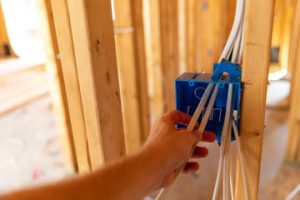
One of the most common consequences of improper wiring is the risk of electrical fires. Electrical fires often originate from overheated wires, loose connections, or overloaded circuits. According to safety statistics, wiring-related faults are among the leading causes of home and facility fires. A single improperly connected outlet, for instance, can generate enough heat to ignite surrounding materials. Ensuring that wiring is properly installed, using the correct type and gauge of wire, and avoiding makeshift or DIY connections can significantly reduce this risk.
Another hazard associated with faulty wiring is electrical shock. Exposed wires, improper grounding, or deteriorated insulation can expose occupants to dangerous voltages. Even low-level shocks can be harmful, and high-voltage exposure can result in severe injury or death. Proper grounding, use of circuit breakers and ground fault circuit interrupters (GFCIs), and routine inspections help mitigate the risk of electrical shock. These preventive measures are especially critical in areas prone to moisture, such as bathrooms, kitchens, and industrial facilities, where water can conduct electricity and amplify danger.
Power outages and equipment damage are additional consequences of poor wiring. Overloaded circuits and unstable connections can result in inconsistent voltage supply, causing lights to flicker and appliances to malfunction. Electronics, HVAC systems, and sensitive equipment are particularly vulnerable to voltage fluctuations, which can shorten the lifespan of these devices and lead to costly replacements. Upgrading electrical systems with proper wiring, surge protection, and correctly rated components ensures a reliable and stable power supply.
Understanding common wiring hazards can help property owners take proactive steps to prevent them. These hazards include:
- Overloaded circuits, where too many devices draw power from a single line
- Loose or improperly connected wires, which can cause arcing and sparks
- Damaged or frayed wiring insulation increases the risk of shock or fire
- Outdated wiring systems that cannot handle modern electrical loads
Addressing these hazards involves a combination of regular inspections, proper installation techniques, and adherence to safety standards.
One of the fundamental principles of proper wiring is correct wire sizing. Electrical wires come in various gauges, each designed to handle a specific current load. Using a wire that is too small for the circuit load can cause overheating, leading to insulation damage or fire. Conversely, oversized wires may be difficult to terminate correctly and could increase installation costs unnecessarily. Selecting the right wire gauge based on the circuit’s intended load is a critical step in preventing hazards.
Proper grounding is another essential component of safe wiring. Grounding provides a safe path for stray electrical currents, reducing the risk of shock and protecting equipment. All modern wiring systems include grounding conductors, but older installations may lack sufficient grounding. Ensuring that outlets, panels, and appliances are properly grounded is a simple yet highly effective way to improve electrical safety.
Circuit protection devices, such as fuses and circuit breakers, play a crucial role in hazard prevention. These devices are designed to interrupt power when circuits experience overloads or faults. Installing the correct breakers and fuses for each circuit and testing them regularly ensures that the system will respond appropriately during a fault condition. Ground fault circuit interrupters (GFCIs) and arc fault circuit interrupters (AFCIs) provide additional layers of protection, particularly in residential and commercial environments where safety is paramount.
In addition to safety, proper wiring also improves energy efficiency. Loose connections and poor-quality wiring can increase resistance, causing electricity to be wasted as heat. This not only elevates energy bills but can also accelerate wear on electrical components. Upgrading wiring to modern, high-quality materials reduces energy loss and enhances the overall efficiency of the electrical system.
Maintenance is another critical aspect of avoiding electrical hazards. Routine inspections help identify early signs of wiring problems, such as discoloration, buzzing sounds, or occasional tripping of breakers. Addressing these issues promptly prevents escalation and reduces the likelihood of emergencies. Homeowners and facility managers should schedule periodic evaluations, especially in older properties or buildings with high electrical demand.
Proper installation practices are equally important. All connections should be secure, outlets and switches properly mounted, and panels organized to allow safe access. Sloppy or rushed installation can create hidden hazards, including pinched wires, loose screws, or inadequate insulation. Professional electricians follow strict codes and standards, ensuring that wiring systems are safe, reliable, and up to current regulations.
Modern electrical systems offer additional benefits when properly installed. Smart panels, energy monitoring devices, and advanced breakers provide real-time insights into power usage, helping property owners identify inefficiencies or potential overloads. This proactive approach allows for targeted maintenance, improved energy management, and further reduction of risk.
Proper wiring is particularly crucial in commercial and industrial settings. Large-scale electrical systems supply power to machinery, lighting, heating, and technology networks. A single wiring fault in these environments can lead to significant downtime, equipment damage, or safety incidents. Ensuring that wiring is correctly installed, labeled, and maintained is essential to minimize operational disruption and protect employees.
There are several preventive measures that homeowners and facility managers should implement to maintain proper wiring:
- Schedule routine electrical inspections to detect early signs of wear or damage
- Upgrade old or insufficient wiring systems to accommodate current electrical loads
- Install circuit protection devices, including GFCIs and AFCIs, in key areas
- Avoid overloading circuits with too many devices or appliances
By following these guidelines, property owners reduce the likelihood of hazards and enhance the reliability of their electrical systems.
Energy efficiency and safety are not mutually exclusive. Properly installed wiring supports the integration of energy-efficient devices, including LED lighting, high-efficiency appliances, and smart home or building automation systems. Well-designed wiring allows these devices to operate optimally, reducing energy waste and extending the lifespan of both the electrical system and connected equipment.
Education and awareness are also critical components of hazard prevention. Occupants should be aware of the risks associated with DIY electrical work, overloading outlets, and using damaged cords. Understanding the warning signs of faulty wiring—such as flickering lights, warm outlets, unusual sounds, or burning smells—empowers individuals to act quickly and safely.
In conclusion, the importance of proper wiring cannot be overstated. From ensuring occupant safety and preventing fires to improving energy efficiency and protecting valuable equipment, correctly installed and maintained wiring is a foundational aspect of any property. Ignoring wiring quality or relying on outdated systems can lead to significant hazards and costly repairs.
Homeowners and facility managers who prioritize proper wiring reap long-term benefits, including safer living and working environments, lower energy costs, and enhanced operational reliability. Investing in professional installation, routine inspections, and timely upgrades is not merely a precaution—it is an essential component of responsible property management. With the right approach, proper wiring ensures that electrical systems function efficiently, safely, and reliably for years to come.