The Importance of Proper Wiring: Avoiding Common Electrical Hazards

Proper electrical wiring is the backbone of every home, office, and commercial facility. It ensures that electricity is safely and efficiently distributed to power lighting, appliances, HVAC systems, and essential equipment. While modern conveniences make electricity a central part of daily life, improper wiring can turn a simple energy supply into a significant hazard. Electrical hazards not only threaten property but also pose severe safety risks to occupants, making proper installation, maintenance, and inspection of wiring systems critical. Understanding the importance of proper wiring and how to prevent common electrical hazards is essential for homeowners, facility managers, and property developers alike.

At its core, proper wiring ensures that electrical currents flow efficiently through circuits without overload, resistance, or interruption. Poorly installed or outdated wiring can cause overheating, short circuits, and even electrical fires. These hazards often develop silently over time, making early recognition and preventive measures vital. The safety and reliability of an electrical system depend on several factors, including correct wire sizing, proper grounding, secure connections, and adherence to local electrical codes. Failing to prioritize these elements can lead to dangerous conditions and costly repairs. Click Here to explore further details.
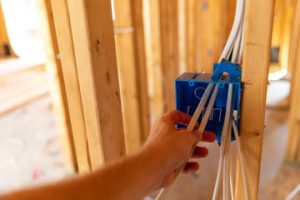
electrical

One of the most common consequences of improper wiring is the risk of electrical fires. Electrical fires often originate from overheated wires, loose connections, or overloaded circuits. According to safety statistics, wiring-related faults are among the leading causes of home and facility fires. A single improperly connected outlet, for instance, can generate enough heat to ignite surrounding materials. Ensuring that wiring is properly installed, using the correct type and gauge of wire, and avoiding makeshift or DIY connections can significantly reduce this risk.

Another hazard associated with faulty wiring is electrical shock. Exposed wires, improper grounding, or deteriorated insulation can expose occupants to dangerous voltages. Even low-level shocks can be harmful, and high-voltage exposure can result in severe injury or death. Proper grounding, use of circuit breakers and ground fault circuit interrupters (GFCIs), and routine inspections help mitigate the risk of electrical shock. These preventive measures are especially critical in areas prone to moisture, such as bathrooms, kitchens, and industrial facilities, where water can conduct electricity and amplify danger.

Power outages and equipment damage are additional consequences of poor wiring. Overloaded circuits and unstable connections can result in inconsistent voltage supply, causing lights to flicker and appliances to malfunction. Electronics, HVAC systems, and sensitive equipment are particularly vulnerable to voltage fluctuations, which can shorten the lifespan of these devices and lead to costly replacements. Upgrading electrical systems with proper wiring, surge protection, and correctly rated components ensures a reliable and stable power supply.

Understanding common wiring hazards can help property owners take proactive steps to prevent them. These hazards include:

  1. Overloaded circuits, where too many devices draw power from a single line
  2. Loose or improperly connected wires, which can cause arcing and sparks
  3. Damaged or frayed wiring insulation increases the risk of shock or fire
  4. Outdated wiring systems that cannot handle modern electrical loads

Addressing these hazards involves a combination of regular inspections, proper installation techniques, and adherence to safety standards.

One of the fundamental principles of proper wiring is correct wire sizing. Electrical wires come in various gauges, each designed to handle a specific current load. Using a wire that is too small for the circuit load can cause overheating, leading to insulation damage or fire. Conversely, oversized wires may be difficult to terminate correctly and could increase installation costs unnecessarily. Selecting the right wire gauge based on the circuit’s intended load is a critical step in preventing hazards.

Proper grounding is another essential component of safe wiring. Grounding provides a safe path for stray electrical currents, reducing the risk of shock and protecting equipment. All modern wiring systems include grounding conductors, but older installations may lack sufficient grounding. Ensuring that outlets, panels, and appliances are properly grounded is a simple yet highly effective way to improve electrical safety.

Circuit protection devices, such as fuses and circuit breakers, play a crucial role in hazard prevention. These devices are designed to interrupt power when circuits experience overloads or faults. Installing the correct breakers and fuses for each circuit and testing them regularly ensures that the system will respond appropriately during a fault condition. Ground fault circuit interrupters (GFCIs) and arc fault circuit interrupters (AFCIs) provide additional layers of protection, particularly in residential and commercial environments where safety is paramount.

In addition to safety, proper wiring also improves energy efficiency. Loose connections and poor-quality wiring can increase resistance, causing electricity to be wasted as heat. This not only elevates energy bills but can also accelerate wear on electrical components. Upgrading wiring to modern, high-quality materials reduces energy loss and enhances the overall efficiency of the electrical system.

Maintenance is another critical aspect of avoiding electrical hazards. Routine inspections help identify early signs of wiring problems, such as discoloration, buzzing sounds, or occasional tripping of breakers. Addressing these issues promptly prevents escalation and reduces the likelihood of emergencies. Homeowners and facility managers should schedule periodic evaluations, especially in older properties or buildings with high electrical demand.

Proper installation practices are equally important. All connections should be secure, outlets and switches properly mounted, and panels organized to allow safe access. Sloppy or rushed installation can create hidden hazards, including pinched wires, loose screws, or inadequate insulation. Professional electricians follow strict codes and standards, ensuring that wiring systems are safe, reliable, and up to current regulations.

Modern electrical systems offer additional benefits when properly installed. Smart panels, energy monitoring devices, and advanced breakers provide real-time insights into power usage, helping property owners identify inefficiencies or potential overloads. This proactive approach allows for targeted maintenance, improved energy management, and further reduction of risk.

Proper wiring is particularly crucial in commercial and industrial settings. Large-scale electrical systems supply power to machinery, lighting, heating, and technology networks. A single wiring fault in these environments can lead to significant downtime, equipment damage, or safety incidents. Ensuring that wiring is correctly installed, labeled, and maintained is essential to minimize operational disruption and protect employees.

There are several preventive measures that homeowners and facility managers should implement to maintain proper wiring:

  1. Schedule routine electrical inspections to detect early signs of wear or damage
  2. Upgrade old or insufficient wiring systems to accommodate current electrical loads
  3. Install circuit protection devices, including GFCIs and AFCIs, in key areas
  4. Avoid overloading circuits with too many devices or appliances

By following these guidelines, property owners reduce the likelihood of hazards and enhance the reliability of their electrical systems.

Energy efficiency and safety are not mutually exclusive. Properly installed wiring supports the integration of energy-efficient devices, including LED lighting, high-efficiency appliances, and smart home or building automation systems. Well-designed wiring allows these devices to operate optimally, reducing energy waste and extending the lifespan of both the electrical system and connected equipment.

Education and awareness are also critical components of hazard prevention. Occupants should be aware of the risks associated with DIY electrical work, overloading outlets, and using damaged cords. Understanding the warning signs of faulty wiring—such as flickering lights, warm outlets, unusual sounds, or burning smells—empowers individuals to act quickly and safely.

In conclusion, the importance of proper wiring cannot be overstated. From ensuring occupant safety and preventing fires to improving energy efficiency and protecting valuable equipment, correctly installed and maintained wiring is a foundational aspect of any property. Ignoring wiring quality or relying on outdated systems can lead to significant hazards and costly repairs.

Homeowners and facility managers who prioritize proper wiring reap long-term benefits, including safer living and working environments, lower energy costs, and enhanced operational reliability. Investing in professional installation, routine inspections, and timely upgrades is not merely a precaution—it is an essential component of responsible property management. With the right approach, proper wiring ensures that electrical systems function efficiently, safely, and reliably for years to come.

Luxury Bathroom Upgrades: Features That Elevate Comfort and Style

A bathroom is no longer viewed as a purely functional space. In modern home design, it has evolved into a private retreat—a place to unwind, recharge, and experience comfort daily. Luxury bathroom upgrades focus on blending aesthetics with advanced functionality, transforming ordinary routines into elevated experiences. From high-end materials to innovative technology, strategic enhancements can significantly improve both comfort and property value. When thoughtfully planned, a luxury Bathroom Remodel Lexington KY becomes a long-term investment in lifestyle and home equity.

bathroom remodel

The foundation of a luxury bathroom begins with intentional design. Rather than adding isolated premium features, a cohesive plan ensures that every element works together harmoniously. Layout optimization is often the priority. Expanding shower areas, incorporating double vanities, and improving traffic flow create a sense of openness and ease. A well-designed layout eliminates clutter, enhances accessibility, and establishes the spacious atmosphere that defines high-end interiors.

One of the most impactful luxury bathroom upgrades is a spa-inspired shower system. Standard showerheads are increasingly replaced with multi-functional systems that include rainfall fixtures, body sprays, handheld attachments, and digital temperature controls. These features create a customized bathing experience tailored to individual preferences. Frameless glass enclosures further elevate the design by showcasing tilework and maximizing visual space. The combination of advanced technology and sleek aesthetics transforms the shower into a focal point of relaxation.

Freestanding soaking tubs also play a central role in luxury bathroom remodeling. Positioned strategically within the layout, these tubs serve as both functional fixtures and architectural statements. Deep soaking capabilities encourage stress relief and comfort, while sculptural designs contribute to the overall elegance of the space. Incorporating a floor-mounted filler or wall-mounted fixtures enhances visual appeal and supports seamless integration with surrounding finishes.

High-end materials are essential when elevating a bathroom’s aesthetic value. Natural stone surfaces, engineered quartz countertops, and premium tile selections add durability and sophistication. Marble-inspired finishes, textured stone walls, and large-format porcelain tiles create a refined atmosphere while minimizing grout lines for easier maintenance. Investing in durable, visually striking materials ensures that the bathroom maintains its appeal for years to come.

Vanity design is another critical component of luxury bathroom upgrades. Custom or semi-custom vanities provide tailored storage solutions while reinforcing the room’s design theme. Soft-close drawers, integrated organizers, and hidden compartments enhance functionality without compromising style. Floating vanities add a contemporary touch while creating the illusion of additional space. Pairing these vanities with high-end hardware and vessel sinks contributes to a polished and cohesive look.

Lighting design significantly influences the ambiance of a luxury bathroom. Layered lighting systems combine task lighting, ambient illumination, and accent lighting to achieve balance and versatility. Backlit mirrors, under-cabinet lighting, and decorative sconces add depth and warmth. Dimmable controls allow homeowners to adjust brightness levels according to mood or time of day. Proper lighting enhances both functionality and relaxation, reinforcing the spa-like atmosphere.

Heated flooring represents a practical yet indulgent upgrade that enhances comfort year-round. Radiant heating systems installed beneath tile surfaces provide consistent warmth, particularly during colder seasons. This feature not only improves daily comfort but also contributes to energy efficiency when integrated with modern thermostats. The subtle luxury of warm floors elevates the overall experience without altering the room’s visual design.

Technology integration is becoming increasingly prominent in luxury bathroom remodeling. Smart mirrors with built-in lighting, touchless faucets, programmable shower systems, and integrated sound systems enhance convenience and personalization. These innovations reflect the broader trend of connected living environments. By incorporating smart features, homeowners gain greater control over their daily routines while reinforcing the modern appeal of the space.

Storage optimization remains essential, even in high-end bathrooms. A clutter-free environment is fundamental to achieving a luxurious feel. Recessed shelving, built-in niches, and concealed cabinets maintain clean lines and prevent overcrowding. Thoughtfully designed storage ensures that essential items remain accessible while preserving visual simplicity. A balance between accessibility and minimalism defines truly elevated interiors.

Luxury bathroom upgrades also prioritize comfort through thoughtful details. Plush towel warmers, high-quality textiles, and ergonomic fixtures contribute to daily enjoyment. Upgrading to a comfort-height toilet, incorporating a bidet function, or installing a built-in bench within the shower enhances usability. These refinements may appear subtle but collectively create a more sophisticated and comfortable environment.

Color palettes play a powerful role in defining luxury. Neutral tones such as soft grays, warm whites, and muted earth shades create a calming backdrop. Strategic use of contrasting accents, metallic finishes, or textured materials introduces depth without overwhelming the space. Cohesive color coordination across walls, cabinetry, and fixtures establishes visual harmony and timeless appeal.

When planning a high-end bathroom remodel, homeowners should prioritize upgrades that deliver both aesthetic and functional value. Consider focusing on:

  1. Premium plumbing fixtures with advanced water-saving technology and durable finishes.
  2. High-quality flooring and wall materials that combine longevity with sophisticated design.

Ventilation improvements are often overlooked but essential in maintaining a luxury environment. Proper ventilation prevents moisture buildup, mold growth, and material deterioration. Upgraded exhaust systems operate quietly while efficiently managing humidity levels. Maintaining air quality preserves finishes and ensures long-term performance.

Accessibility considerations can also be integrated seamlessly into luxury bathroom designs. Curbless showers, wider entryways, and strategically placed grab bars can enhance safety without compromising aesthetics. These features provide long-term practicality and accommodate evolving household needs. Planning for accessibility ensures that the bathroom remains functional for years to come.

Sustainability is increasingly intertwined with luxury. Eco-conscious materials, water-efficient fixtures, and energy-saving lighting solutions reflect responsible design choices. Low-flow showerheads and faucets reduce water consumption while maintaining strong performance. LED lighting minimizes energy use and extends bulb lifespan. Sustainable upgrades enhance both environmental responsibility and operational efficiency.

Acoustic design contributes to the tranquility of a luxury bathroom. Soundproofing walls and installing insulated doors reduce noise transmission from adjacent rooms. This privacy reinforces the sense of retreat and relaxation. Incorporating soft materials and textured surfaces can further dampen sound and create a serene atmosphere.

Mirrors serve both practical and decorative purposes. Oversized mirrors enhance light reflection and make the space appear larger. Framed or backlit options add architectural interest. Positioning mirrors strategically amplifies brightness and creates a sense of depth, especially in bathrooms with limited natural light.

Hardware finishes tie the design together. Coordinated finishes across faucets, drawer pulls, shower fixtures, and lighting elements create cohesion. Whether opting for brushed metal, matte finishes, or polished accents, consistency is key. High-quality finishes resist corrosion and maintain their appearance over time.

To ensure a successful luxury bathroom remodel, homeowners should adopt a strategic planning approach:

  1. Establish a clear design vision that integrates layout, materials, and technology cohesively.
  2. Allocate budget resources toward foundational elements before decorative accents.

Professional craftsmanship is critical in executing high-end upgrades. Precision installation ensures that materials align correctly, plumbing systems operate efficiently, and fixtures function seamlessly. Investing in experienced professionals reduces the likelihood of costly rework and ensures that the final result reflects the intended design quality.

Beyond immediate comfort, luxury bathroom upgrades offer a substantial return on investment. High-end bathrooms are highly attractive to potential buyers, contributing to increased property value and market competitiveness. Even for homeowners not planning to sell, the daily enjoyment derived from an upgraded bathroom justifies the investment.

The emotional impact of a luxurious bathroom should not be underestimated. Beginning and ending each day in a well-designed, comfortable environment enhances overall well-being. A spa-like atmosphere promotes relaxation, while functional improvements streamline routines. The bathroom becomes more than a utilitarian space; it transforms into a sanctuary within the home.

Ultimately, luxury bathroom upgrades are about thoughtful enhancement rather than excess. By focusing on quality materials, innovative features, and cohesive design, homeowners can create a space that elevates both comfort and style. From spa-inspired showers and freestanding tubs to smart technology and heated flooring, each upgrade contributes to a refined and enjoyable experience.

A well-executed luxury bathroom remodel blends beauty with performance, delivering lasting value and daily satisfaction. Through careful planning and strategic investment, homeowners can transform their bathrooms into elegant retreats that reflect both personal taste and modern living standards.

How Often Should You Schedule Air Duct Cleaning? A Complete Maintenance Guide

Maintaining a clean HVAC system is essential for a healthy and comfortable indoor environment, and air duct cleaning is a critical component of this maintenance. Over time, dust, allergens, mold, and debris accumulate within air ducts, reducing indoor air quality and causing HVAC systems to work harder than necessary. Many homeowners and facility managers wonder how often they should schedule professional air duct cleaning and what factors influence the ideal frequency. This comprehensive guide examines the signs, benefits, and recommended schedules for Duct Cleaning Salt Lake City and maintenance, helping property owners make informed decisions for both residential and commercial spaces.

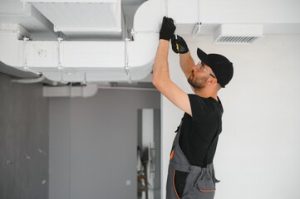
air duct cleaning

Air ducts serve as the circulatory system of an HVAC unit, distributing heated or cooled air throughout the building. As air travels through these ducts, it carries not only warmth or coolness but also airborne particles such as dust, pet dander, pollen, and debris. Even high-quality filters cannot capture all contaminants, which means some particles eventually settle inside the ductwork. Over time, this accumulation can reduce airflow, decrease system efficiency, and create an environment for microbial growth, including mold and bacteria. Understanding when to schedule cleaning is essential to maintain both system performance and indoor air quality.

The Environmental Protection Agency and other industry organizations recommend air duct cleaning based on specific conditions rather than a strict calendar. While some property owners schedule cleaning every three to five years as a general guideline, the frequency should vary according to individual circumstances. Homes with pets, occupants with allergies, smokers, or properties in dusty environments may require more frequent cleaning. Similarly, commercial buildings with high traffic, shared HVAC systems, or older infrastructure may need annual or biannual maintenance to maintain optimal air quality.

Visible dust and debris around air vents and registers is often the first indication that air ducts may need cleaning. When dust accumulates on vent covers, in rooms, or on furniture shortly after cleaning, it suggests that contaminants are circulating through the HVAC system. This buildup not only affects cleanliness but also contributes to respiratory irritation and allergies. Property owners should consider scheduling professional air duct cleaning if dust accumulation becomes noticeable despite regular filter replacement and surface cleaning.

Mold and microbial growth are more serious indicators that ducts require attention. Moisture from leaks, high humidity, or condensation can create an environment conducive to mold proliferation. Mold spores can spread throughout the property via the HVAC system, potentially causing allergic reactions, asthma symptoms, or other health issues. If musty odors are present, or if occupants report increased respiratory discomfort when the system operates, immediate air duct cleaning is advised. Professional cleaning addresses both visible and hidden contaminants while minimizing the risk of health hazards.

Air quality concerns often guide the decision on how frequently to schedule duct cleaning. Homes or commercial spaces with occupants sensitive to dust, pollen, or other allergens may benefit from more regular cleaning, potentially every two to three years or sooner if signs of contamination are evident. Similarly, properties with pets, which shed hair and dander, may require more frequent attention to prevent allergens from accumulating and circulating. Seasonal factors, such as pollen-heavy spring months or dusty summer periods, may also necessitate periodic inspection and cleaning.

Energy efficiency is another consideration when determining air duct cleaning schedules. Accumulated dust and debris restrict airflow, forcing HVAC systems to work harder to maintain desired temperatures. This can lead to increased energy bills, uneven heating or cooling, and unnecessary wear on system components. Regular air duct cleaning helps maintain efficient airflow, reducing energy consumption and extending the life of HVAC equipment. Property owners who prioritize system efficiency often combine duct cleaning with routine filter replacement and annual HVAC servicing.

Odors originating from vents are another key indicator that cleaning may be needed. Dust, microbial growth, or residues from smoke, cooking, or pets can cling to duct surfaces and circulate unpleasant smells throughout the property. While filters may reduce the amount of particulate matter in the air, they cannot eliminate odors that are embedded in the ducts themselves. Persistent or unusual odors indicate that professional cleaning is necessary to restore fresh, breathable air and prevent lingering contamination.

In addition to these signs, several enumerated factors help determine how often air duct cleaning should be scheduled:

  1. Occupant Sensitivities – Individuals with allergies, asthma, or other respiratory conditions may benefit from more frequent cleaning to reduce airborne irritants.
  2. Pet Ownership – Homes with pets require more frequent attention due to hair, dander, and potential odors circulating through the system.
  3. Environmental Conditions – Properties in dusty areas, near construction sites, or subject to high pollen counts may accumulate debris more rapidly.
  4. System Age and Usage – Older HVAC systems or units with heavy usage may experience greater dust accumulation, necessitating more frequent cleaning.
  5. Recent Renovations or Repairs – Construction or remodeling can introduce large amounts of dust and debris into the ductwork, making immediate post-construction cleaning advisable.
  6. Moisture or Mold Issues – Any history of leaks, flooding, or high humidity requires prompt cleaning and inspection to prevent microbial growth.

While general guidelines suggest a three- to five-year interval for most properties, these factors highlight why individual assessment is critical. A property may need annual cleaning, while another may go longer without noticeable issues. Professional inspection helps determine the appropriate frequency and ensures that maintenance is both cost-effective and beneficial.

The cleaning process itself is a vital part of maintaining air quality and system efficiency. Professional air duct cleaning involves a thorough inspection to identify contamination and problem areas, followed by the use of specialized equipment such as high-powered vacuums, rotating brushes, and compressed air tools. This equipment removes dust, debris, and microbial growth from the ducts and ensures that contaminants are not simply displaced within the system. HEPA filtration is often used during cleaning to capture microscopic particles and prevent them from re-entering the property.

Some homeowners also incorporate air duct cleaning into a broader indoor air quality strategy. This includes regular filter replacement, ensuring proper humidity levels, and maintaining HVAC components such as coils, fans, and vents. By combining routine cleaning with preventive measures, property owners can maximize system efficiency, reduce allergens, and maintain a healthier living or working environment.

Another benefit of timely air duct cleaning is the protection of HVAC components. Accumulated debris can settle on fan blades, coils, and registers, leading to mechanical strain, reduced efficiency, and potential breakdowns. By cleaning ducts regularly, the system can operate more smoothly, reducing the need for costly repairs and extending its lifespan. This is particularly important in commercial buildings where downtime can affect operations and energy costs.

Odor management is also enhanced by regular cleaning. Eco-friendly and non-toxic cleaning solutions can be applied to ductwork during professional service to neutralize residual odors without introducing harmful chemicals. This ensures that air circulating throughout the property is fresh and safe for occupants, including children and pets.

Scheduling air duct cleaning also aligns with preventive maintenance plans. Many HVAC professionals recommend combining inspections, filter replacements, and duct cleaning into a comprehensive yearly or biannual service schedule. This approach allows property owners to proactively manage indoor air quality, anticipate potential problems, and maintain efficient system operation. Proper scheduling reduces the likelihood of emergency interventions, improves comfort, and supports long-term cost savings.

It is also important to note that air duct cleaning should be conducted by trained professionals. Attempting DIY cleaning can be ineffective or even damaging to ductwork and system components. Professionals have the knowledge, tools, and safety protocols to address all types of contamination, including mold, allergens, and accumulated debris, while ensuring that the system remains intact and operational.

Several practical tips can help property owners maintain cleaner air ducts between professional cleanings:

  1. Regular Filter Replacement – Change filters according to manufacturer recommendations to reduce particulate buildup.
  2. Routine Dusting and Vacuuming – Minimize the amount of dust and debris entering ductwork.
  3. Monitor for Moisture – Address leaks, condensation, or high humidity promptly to prevent microbial growth.
  4. Schedule Inspections – Have HVAC professionals inspect the system periodically for signs of wear, contamination, or airflow issues.
  5. Address Odors Quickly – Investigate and remediate unusual smells to prevent long-term contamination.

In conclusion, the frequency of air duct cleaning depends on multiple factors, including system usage, occupant sensitivities, environmental conditions, and the presence of moisture or contamination. While a general guideline of every three to five years can be applied to many properties, individual assessment is key to maintaining optimal indoor air quality, system efficiency, and occupant health. Professional cleaning not only removes accumulated debris and allergens but also prevents secondary damage, enhances HVAC performance, and improves overall comfort. By combining scheduled cleaning with preventive maintenance measures, property owners can ensure a safe, efficient, and healthy environment year-round.