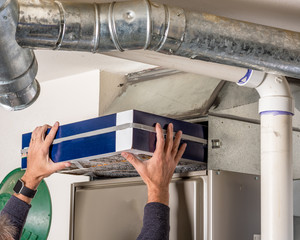
Signs Your Furnace Needs Immediate Repair

Furnace

Furnaces should not make a lot of noise, so rattling and banging sounds are red flags that something is wrong. Uneven heating, where some rooms feel warm while others are ice cold, is another sign that your furnace needs repair.

A yellow flame on your gas furnace is a clear indication that it’s emitting carbon monoxide. This is a serious safety issue and requires immediate professional attention. Contact FURNACE REPAIR CINCINNATI for more information.

1. The Furnace Isn’t Heating

The furnace is one of the most essential systems in your home. Therefore, it’s a huge inconvenience when the system stops heating. Luckily, there are some things you can do to troubleshoot the problem on your own before calling in a professional.

Check your thermostat settings. Make sure the temperature is set to “heat” and that the fan mode is set to “auto.” If your thermostat isn’t receiving power, it won’t be able to turn on the furnace. Replace the batteries, tighten any loose electrical connections, and reset the thermostat if necessary.

If you have a gas-powered furnace, check the flue pipe for any blockages. A clogged flue pipe could cause gases to pool inside the pipe and leak into your home. Look for any manual dampers that may be stuck and manually open them if needed. If you find the manual dampers are ajar, consult with a professional to have them fixed or replaced.

Other reasons why your furnace may not be heating include a dirty air filter, which restricts airflow and limits the amount of heat that can flow through the system; an extinguished pilot light (check the owner’s manual for instructions on how to relight it); a blown fuse or tripped circuit breaker; or an electronic ignition problem. If you haven’t already done so, replace the air filter and check that all the components are functioning properly.

2. The Furnace Is Making Loud Noises

If you notice any changes in the sounds your furnace makes while it runs, it’s important to take action. While most furnaces will produce a low hum when they’re running, loud or sudden noises are a warning that there could be a problem with the fan or other components. If you’re hearing loud cracking, steady rumbling or high-pitched screams, shut off the power to your furnace immediately and call for professional repairs to avert serious damage.

If the noises are rattling, it suggests that there is a loose component inside the furnace. The cycle of heating and cooling can cause parts to loosen over time, making it important to have them tightened or replaced by a professional before the problem escalates. If you’re hearing scraping noises, it may mean that the ball bearings are wearing out or the blower wheel has come loose.

If you’re hearing banging or booms, turn off the gas and electrical power to your furnace, evacuate your home, and contact emergency services immediately. These sounds indicate stuck ignition and can be deadly if not addressed promptly. It’s best to hire a licensed technician to diagnose the issue and perform necessary repairs to ensure your home is safe for your family to return to. This is a good time to ask an HVAC specialist about upgrading to a newer model. The latest models offer improved efficiency and quieter operation.

3. The Furnace Is Turning On and Off Too Quickly

If you notice that your furnace is turning on and off more frequently than usual, it’s likely due to a problem known as short cycling. This issue can lead to premature wear and tear on your system, as well as higher energy bills.

One of the most common reasons for short cycling is a dirty air filter that needs to be replaced. A clogged filter restricts the amount of air that can pass through the blower wheel, which causes it to overheat. A professional HVAC technician can clean or replace the filter to help prevent this problem.

Another reason your furnace may be cycling on and off too often is a dirty flame sensor. This sensor determines whether the furnace’s pilot light is lit. If it’s not, the gas valve is shut off to prevent a possible gas leak. If the flame sensor is dirty or corroded, it can cause your furnace to overheat and shut off. A professional HVAC technician can clean or replace it to fix this problem.

If your furnace is turning on and off too quickly, you should also check the color of the flame inside the burner. A blue flame is normal, but a yellow flame can indicate a carbon monoxide leak, which is dangerous and requires immediate professional attention. If you smell a burning smell or see pooling water around your furnace, turn off the power and gas, evacuate your home, and call for emergency services.

4. The Furnace Is Overheating

Over time, most furnaces experience some level of operational wear and tear. This often leads to a number of issues, including overheating. Overheating can lead to the breakdown of critical components such as the blower motor and electrical wiring. It also forces the system to work overtime, which can drive up energy costs.

If your furnace is turning on and off more frequently than usual, or if it shuts off before the heating cycle is complete, this is a sign that it’s overheating. This condition is known as short cycling and it can be caused by a number of different problems. Often, it’s the result of a dirty air filter, which restricts airflow and prevents the heat exchanger from dispersing heat throughout the home. Changing the air filter regularly will help reduce this problem.

Sometimes, overheating is caused by internal damage or debris. In this case, the furnace may need to be thoroughly cleaned. This is typically a job best left to professionals, but can be done in conjunction with a routine maintenance tune-up.

Overheating can also be caused by closed vents or by obstructed airflow. If you’re experiencing any of these issues, it’s important to contact a professional for furnace repairs right away. Doing so can help prevent permanent damage to the system and ensure that your home is adequately heated. It’s also a good idea to check your carbon monoxide detector, as overheating can lead to a deadly gas leak.

5. The Furnace Is Making Strange Smells

While most of the time your furnace runs quietly and efficiently, if you smell strange odors, it could indicate problems with your unit. Strange odors like burning plastic, mustiness, and sulfur are often signs that you need to schedule a furnace repair.

A musty odor could mean that there is mold in your ductwork or on the furnace itself. This is a big problem, as mold can degrade air quality and even make people sick. The first thing you should do if you smell musty odors from your furnace is to turn it off and open a few windows.

If you smell a burnt metallic odor, there could be electrical wires that have overheated and started to melt. This is dangerous, and you should call a professional right away.

Another dangerous odor is smokey odors from the furnace. This can happen when the furnace chimney (also known as a flue pipe or exhaust vent) becomes clogged. The combustion exhaust needs to go somewhere, so it gets pushed into the ductwork.

If you smell a chemical odor that’s similar to formaldehyde, there is likely a crack in the heat exchanger component of the furnace. This can dramatically increase the risk of fire and spread carbon monoxide fumes throughout your home. If you smell this odor, turn off your furnace immediately and get a qualified technician to check it out.

6. The Furnace Is Making Strange Noises

A rumbling sound requires immediate attention as it could indicate a carbon monoxide problem. Turn off the furnace and call a technician right away. A humming sound may be normal as most furnaces make this noise when the burner ignites and the blower starts to run. However, if the sound is constant throughout the operation cycle, this may suggest that the fan belt needs replacing.

A whistling sound is typically caused by restricted airflow, just as a whistle produces when you blow through your mouth. A clogged filter is often to blame, as this prevents air from flowing freely through the system. You can solve this problem by changing the filter, cleaning the return and vents and opening your dampers.

Banging sounds can be caused by the expansion and contraction of metal parts, or by dirt in the burners. If these problems are not addressed, the ductwork can become banged against the walls of the house and create a loud sound that travels through the home.

A clunking sound may also mean there is an issue with the blower motor. The blades of the blower may be rubbing against the housing, which will cause a clunking sound. This is a serious problem that requires a professional repair. A continuous buzzing sound may be a sign that the inducer motor is worn out or that other components in the furnace need to be replaced. A qualified technician will be able to assess the situation and recommend the best solution for your furnace.
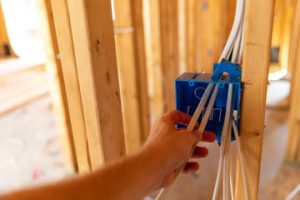
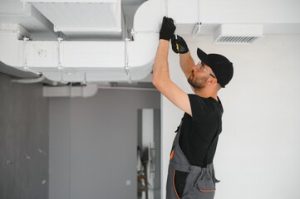
The Importance of Proper Wiring: Avoiding Common Electrical Hazards

Proper electrical wiring is the backbone of every home, office, and commercial facility. It ensures that electricity is safely and efficiently distributed to power lighting, appliances, HVAC systems, and essential equipment. While modern conveniences make electricity a central part of daily life, improper wiring can turn a simple energy supply into a significant hazard. Electrical hazards not only threaten property but also pose severe safety risks to occupants, making proper installation, maintenance, and inspection of wiring systems critical. Understanding the importance of proper wiring and how to prevent common electrical hazards is essential for homeowners, facility managers, and property developers alike.

At its core, proper wiring ensures that electrical currents flow efficiently through circuits without overload, resistance, or interruption. Poorly installed or outdated wiring can cause overheating, short circuits, and even electrical fires. These hazards often develop silently over time, making early recognition and preventive measures vital. The safety and reliability of an electrical system depend on several factors, including correct wire sizing, proper grounding, secure connections, and adherence to local electrical codes. Failing to prioritize these elements can lead to dangerous conditions and costly repairs. Click Here to explore further details.

electrical

One of the most common consequences of improper wiring is the risk of electrical fires. Electrical fires often originate from overheated wires, loose connections, or overloaded circuits. According to safety statistics, wiring-related faults are among the leading causes of home and facility fires. A single improperly connected outlet, for instance, can generate enough heat to ignite surrounding materials. Ensuring that wiring is properly installed, using the correct type and gauge of wire, and avoiding makeshift or DIY connections can significantly reduce this risk.

Another hazard associated with faulty wiring is electrical shock. Exposed wires, improper grounding, or deteriorated insulation can expose occupants to dangerous voltages. Even low-level shocks can be harmful, and high-voltage exposure can result in severe injury or death. Proper grounding, use of circuit breakers and ground fault circuit interrupters (GFCIs), and routine inspections help mitigate the risk of electrical shock. These preventive measures are especially critical in areas prone to moisture, such as bathrooms, kitchens, and industrial facilities, where water can conduct electricity and amplify danger.

Power outages and equipment damage are additional consequences of poor wiring. Overloaded circuits and unstable connections can result in inconsistent voltage supply, causing lights to flicker and appliances to malfunction. Electronics, HVAC systems, and sensitive equipment are particularly vulnerable to voltage fluctuations, which can shorten the lifespan of these devices and lead to costly replacements. Upgrading electrical systems with proper wiring, surge protection, and correctly rated components ensures a reliable and stable power supply.

Understanding common wiring hazards can help property owners take proactive steps to prevent them. These hazards include:

  1. Overloaded circuits, where too many devices draw power from a single line
  2. Loose or improperly connected wires, which can cause arcing and sparks
  3. Damaged or frayed wiring insulation increases the risk of shock or fire
  4. Outdated wiring systems that cannot handle modern electrical loads

Addressing these hazards involves a combination of regular inspections, proper installation techniques, and adherence to safety standards.

One of the fundamental principles of proper wiring is correct wire sizing. Electrical wires come in various gauges, each designed to handle a specific current load. Using a wire that is too small for the circuit load can cause overheating, leading to insulation damage or fire. Conversely, oversized wires may be difficult to terminate correctly and could increase installation costs unnecessarily. Selecting the right wire gauge based on the circuit’s intended load is a critical step in preventing hazards.

Proper grounding is another essential component of safe wiring. Grounding provides a safe path for stray electrical currents, reducing the risk of shock and protecting equipment. All modern wiring systems include grounding conductors, but older installations may lack sufficient grounding. Ensuring that outlets, panels, and appliances are properly grounded is a simple yet highly effective way to improve electrical safety.

Circuit protection devices, such as fuses and circuit breakers, play a crucial role in hazard prevention. These devices are designed to interrupt power when circuits experience overloads or faults. Installing the correct breakers and fuses for each circuit and testing them regularly ensures that the system will respond appropriately during a fault condition. Ground fault circuit interrupters (GFCIs) and arc fault circuit interrupters (AFCIs) provide additional layers of protection, particularly in residential and commercial environments where safety is paramount.

In addition to safety, proper wiring also improves energy efficiency. Loose connections and poor-quality wiring can increase resistance, causing electricity to be wasted as heat. This not only elevates energy bills but can also accelerate wear on electrical components. Upgrading wiring to modern, high-quality materials reduces energy loss and enhances the overall efficiency of the electrical system.

Maintenance is another critical aspect of avoiding electrical hazards. Routine inspections help identify early signs of wiring problems, such as discoloration, buzzing sounds, or occasional tripping of breakers. Addressing these issues promptly prevents escalation and reduces the likelihood of emergencies. Homeowners and facility managers should schedule periodic evaluations, especially in older properties or buildings with high electrical demand.

Proper installation practices are equally important. All connections should be secure, outlets and switches properly mounted, and panels organized to allow safe access. Sloppy or rushed installation can create hidden hazards, including pinched wires, loose screws, or inadequate insulation. Professional electricians follow strict codes and standards, ensuring that wiring systems are safe, reliable, and up to current regulations.

Modern electrical systems offer additional benefits when properly installed. Smart panels, energy monitoring devices, and advanced breakers provide real-time insights into power usage, helping property owners identify inefficiencies or potential overloads. This proactive approach allows for targeted maintenance, improved energy management, and further reduction of risk.

Proper wiring is particularly crucial in commercial and industrial settings. Large-scale electrical systems supply power to machinery, lighting, heating, and technology networks. A single wiring fault in these environments can lead to significant downtime, equipment damage, or safety incidents. Ensuring that wiring is correctly installed, labeled, and maintained is essential to minimize operational disruption and protect employees.

There are several preventive measures that homeowners and facility managers should implement to maintain proper wiring:

  1. Schedule routine electrical inspections to detect early signs of wear or damage
  2. Upgrade old or insufficient wiring systems to accommodate current electrical loads
  3. Install circuit protection devices, including GFCIs and AFCIs, in key areas
  4. Avoid overloading circuits with too many devices or appliances

By following these guidelines, property owners reduce the likelihood of hazards and enhance the reliability of their electrical systems.

Energy efficiency and safety are not mutually exclusive. Properly installed wiring supports the integration of energy-efficient devices, including LED lighting, high-efficiency appliances, and smart home or building automation systems. Well-designed wiring allows these devices to operate optimally, reducing energy waste and extending the lifespan of both the electrical system and connected equipment.

Education and awareness are also critical components of hazard prevention. Occupants should be aware of the risks associated with DIY electrical work, overloading outlets, and using damaged cords. Understanding the warning signs of faulty wiring—such as flickering lights, warm outlets, unusual sounds, or burning smells—empowers individuals to act quickly and safely.

In conclusion, the importance of proper wiring cannot be overstated. From ensuring occupant safety and preventing fires to improving energy efficiency and protecting valuable equipment, correctly installed and maintained wiring is a foundational aspect of any property. Ignoring wiring quality or relying on outdated systems can lead to significant hazards and costly repairs.

Homeowners and facility managers who prioritize proper wiring reap long-term benefits, including safer living and working environments, lower energy costs, and enhanced operational reliability. Investing in professional installation, routine inspections, and timely upgrades is not merely a precaution—it is an essential component of responsible property management. With the right approach, proper wiring ensures that electrical systems function efficiently, safely, and reliably for years to come.

How Often Should You Schedule Air Duct Cleaning? A Complete Maintenance Guide

Maintaining a clean HVAC system is essential for a healthy and comfortable indoor environment, and air duct cleaning is a critical component of this maintenance. Over time, dust, allergens, mold, and debris accumulate within air ducts, reducing indoor air quality and causing HVAC systems to work harder than necessary. Many homeowners and facility managers wonder how often they should schedule professional air duct cleaning and what factors influence the ideal frequency. This comprehensive guide examines the signs, benefits, and recommended schedules for Duct Cleaning Salt Lake City and maintenance, helping property owners make informed decisions for both residential and commercial spaces.

air duct cleaning

Air ducts serve as the circulatory system of an HVAC unit, distributing heated or cooled air throughout the building. As air travels through these ducts, it carries not only warmth or coolness but also airborne particles such as dust, pet dander, pollen, and debris. Even high-quality filters cannot capture all contaminants, which means some particles eventually settle inside the ductwork. Over time, this accumulation can reduce airflow, decrease system efficiency, and create an environment for microbial growth, including mold and bacteria. Understanding when to schedule cleaning is essential to maintain both system performance and indoor air quality.

The Environmental Protection Agency and other industry organizations recommend air duct cleaning based on specific conditions rather than a strict calendar. While some property owners schedule cleaning every three to five years as a general guideline, the frequency should vary according to individual circumstances. Homes with pets, occupants with allergies, smokers, or properties in dusty environments may require more frequent cleaning. Similarly, commercial buildings with high traffic, shared HVAC systems, or older infrastructure may need annual or biannual maintenance to maintain optimal air quality.

Visible dust and debris around air vents and registers is often the first indication that air ducts may need cleaning. When dust accumulates on vent covers, in rooms, or on furniture shortly after cleaning, it suggests that contaminants are circulating through the HVAC system. This buildup not only affects cleanliness but also contributes to respiratory irritation and allergies. Property owners should consider scheduling professional air duct cleaning if dust accumulation becomes noticeable despite regular filter replacement and surface cleaning.

Mold and microbial growth are more serious indicators that ducts require attention. Moisture from leaks, high humidity, or condensation can create an environment conducive to mold proliferation. Mold spores can spread throughout the property via the HVAC system, potentially causing allergic reactions, asthma symptoms, or other health issues. If musty odors are present, or if occupants report increased respiratory discomfort when the system operates, immediate air duct cleaning is advised. Professional cleaning addresses both visible and hidden contaminants while minimizing the risk of health hazards.

Air quality concerns often guide the decision on how frequently to schedule duct cleaning. Homes or commercial spaces with occupants sensitive to dust, pollen, or other allergens may benefit from more regular cleaning, potentially every two to three years or sooner if signs of contamination are evident. Similarly, properties with pets, which shed hair and dander, may require more frequent attention to prevent allergens from accumulating and circulating. Seasonal factors, such as pollen-heavy spring months or dusty summer periods, may also necessitate periodic inspection and cleaning.

Energy efficiency is another consideration when determining air duct cleaning schedules. Accumulated dust and debris restrict airflow, forcing HVAC systems to work harder to maintain desired temperatures. This can lead to increased energy bills, uneven heating or cooling, and unnecessary wear on system components. Regular air duct cleaning helps maintain efficient airflow, reducing energy consumption and extending the life of HVAC equipment. Property owners who prioritize system efficiency often combine duct cleaning with routine filter replacement and annual HVAC servicing.

Odors originating from vents are another key indicator that cleaning may be needed. Dust, microbial growth, or residues from smoke, cooking, or pets can cling to duct surfaces and circulate unpleasant smells throughout the property. While filters may reduce the amount of particulate matter in the air, they cannot eliminate odors that are embedded in the ducts themselves. Persistent or unusual odors indicate that professional cleaning is necessary to restore fresh, breathable air and prevent lingering contamination.

In addition to these signs, several enumerated factors help determine how often air duct cleaning should be scheduled:

  1. Occupant Sensitivities – Individuals with allergies, asthma, or other respiratory conditions may benefit from more frequent cleaning to reduce airborne irritants.
  2. Pet Ownership – Homes with pets require more frequent attention due to hair, dander, and potential odors circulating through the system.
  3. Environmental Conditions – Properties in dusty areas, near construction sites, or subject to high pollen counts may accumulate debris more rapidly.
  4. System Age and Usage – Older HVAC systems or units with heavy usage may experience greater dust accumulation, necessitating more frequent cleaning.
  5. Recent Renovations or Repairs – Construction or remodeling can introduce large amounts of dust and debris into the ductwork, making immediate post-construction cleaning advisable.
  6. Moisture or Mold Issues – Any history of leaks, flooding, or high humidity requires prompt cleaning and inspection to prevent microbial growth.

While general guidelines suggest a three- to five-year interval for most properties, these factors highlight why individual assessment is critical. A property may need annual cleaning, while another may go longer without noticeable issues. Professional inspection helps determine the appropriate frequency and ensures that maintenance is both cost-effective and beneficial.

The cleaning process itself is a vital part of maintaining air quality and system efficiency. Professional air duct cleaning involves a thorough inspection to identify contamination and problem areas, followed by the use of specialized equipment such as high-powered vacuums, rotating brushes, and compressed air tools. This equipment removes dust, debris, and microbial growth from the ducts and ensures that contaminants are not simply displaced within the system. HEPA filtration is often used during cleaning to capture microscopic particles and prevent them from re-entering the property.

Some homeowners also incorporate air duct cleaning into a broader indoor air quality strategy. This includes regular filter replacement, ensuring proper humidity levels, and maintaining HVAC components such as coils, fans, and vents. By combining routine cleaning with preventive measures, property owners can maximize system efficiency, reduce allergens, and maintain a healthier living or working environment.

Another benefit of timely air duct cleaning is the protection of HVAC components. Accumulated debris can settle on fan blades, coils, and registers, leading to mechanical strain, reduced efficiency, and potential breakdowns. By cleaning ducts regularly, the system can operate more smoothly, reducing the need for costly repairs and extending its lifespan. This is particularly important in commercial buildings where downtime can affect operations and energy costs.

Odor management is also enhanced by regular cleaning. Eco-friendly and non-toxic cleaning solutions can be applied to ductwork during professional service to neutralize residual odors without introducing harmful chemicals. This ensures that air circulating throughout the property is fresh and safe for occupants, including children and pets.

Scheduling air duct cleaning also aligns with preventive maintenance plans. Many HVAC professionals recommend combining inspections, filter replacements, and duct cleaning into a comprehensive yearly or biannual service schedule. This approach allows property owners to proactively manage indoor air quality, anticipate potential problems, and maintain efficient system operation. Proper scheduling reduces the likelihood of emergency interventions, improves comfort, and supports long-term cost savings.

It is also important to note that air duct cleaning should be conducted by trained professionals. Attempting DIY cleaning can be ineffective or even damaging to ductwork and system components. Professionals have the knowledge, tools, and safety protocols to address all types of contamination, including mold, allergens, and accumulated debris, while ensuring that the system remains intact and operational.

Several practical tips can help property owners maintain cleaner air ducts between professional cleanings:

  1. Regular Filter Replacement – Change filters according to manufacturer recommendations to reduce particulate buildup.
  2. Routine Dusting and Vacuuming – Minimize the amount of dust and debris entering ductwork.
  3. Monitor for Moisture – Address leaks, condensation, or high humidity promptly to prevent microbial growth.
  4. Schedule Inspections – Have HVAC professionals inspect the system periodically for signs of wear, contamination, or airflow issues.
  5. Address Odors Quickly – Investigate and remediate unusual smells to prevent long-term contamination.

In conclusion, the frequency of air duct cleaning depends on multiple factors, including system usage, occupant sensitivities, environmental conditions, and the presence of moisture or contamination. While a general guideline of every three to five years can be applied to many properties, individual assessment is key to maintaining optimal indoor air quality, system efficiency, and occupant health. Professional cleaning not only removes accumulated debris and allergens but also prevents secondary damage, enhances HVAC performance, and improves overall comfort. By combining scheduled cleaning with preventive maintenance measures, property owners can ensure a safe, efficient, and healthy environment year-round.

The Power of Local Marketing Vault: What It Is and Why It Matters

Local Marketing

In the digital world, every business faces one big challenge: how to stand out in the local market. Competing with big brands is tough, but local businesses have a secret weapon when they use the right strategies. That’s where the concept of Local Marketing Vault comes in.

This approach is not just another marketing buzzword. It’s a system that helps businesses build visibility, attract leads, and create sustainable growth in their communities. If you’re wondering what Local Marketing Vault is, how it works, and why it can make or break your marketing success, this guide breaks it down. Check out Local Marketing Vault Review to learn more.

What Is Local Marketing Vault?

Local Marketing Vault is a structured system designed to help businesses succeed with local digital marketing. Think of it as a toolkit or framework that gives you proven strategies, templates, and processes to generate leads and build a strong online presence in a specific geographic area.

The core idea is simple. Instead of guessing what might work in digital marketing, Local Marketing Vault offers a ready-to-use playbook. It shows you how to target the right people, capture attention, and turn prospects into paying customers.

Why Local Marketing Matters

Before looking deeper into Local Marketing Vault, it’s important to understand why local marketing itself matters so much.

  1. Most customers search locally. A majority of consumers look online before choosing a nearby service or store. They often search on Google or social media, and they want fast results close to home.
  2. Competition is fierce. Large national companies have the money to dominate broad markets, but local businesses can compete effectively by focusing on their neighborhoods.
  3. Trust is easier to build locally. People want to support businesses they recognize and can physically reach. A strong local presence builds confidence and loyalty.

The Foundation of Local Marketing Vault

Local Marketing Vault is built around several core elements that work together. Each piece plays a role in making sure a business doesn’t just get clicks but actually gets customers.

1. Lead Generation Strategies

At the heart of Local Marketing Vault is lead generation. It provides tested ads, funnels, and campaigns that draw in potential customers. Instead of wasting money on guesswork, businesses can use strategies that are already proven to deliver results.

2. Digital Advertising Playbook

Running ads on platforms like Google and Facebook is essential today. Local Marketing Vault simplifies this by giving you templates and campaign setups that take the mystery out of digital advertising.

3. Conversion Funnels

Getting clicks is not enough. A good funnel guides someone from the first click to becoming a paying customer. Local Marketing Vault emphasizes funnels designed to capture contact information, nurture leads, and close sales.

4. Automation Tools

Manual follow-up wastes time and allows opportunities to slip away. Automation is part of the system, helping businesses stay consistent with emails, texts, and reminders that keep prospects engaged.

5. Ongoing Support and Updates

Digital marketing is always changing. Algorithms shift, consumer behavior evolves, and ad platforms introduce new features. Local Marketing Vault provides updated methods so the system stays effective over time.

How Local Marketing Vault Works in Practice

Let’s break down how a business might use Local Marketing Vault step by step.

  1. Identify the local audience. The first step is targeting people who are actively searching for the service or product in a specific area.
  2. Launch ads. Using ready-made templates, a business runs ads on social media or search engines that are built to capture attention.
  3. Capture leads. Those ads push traffic into funnels where visitors share their contact information in exchange for something valuable, like a quote or consultation.
  4. Nurture relationships. Automated systems follow up with emails or texts to keep leads engaged until they are ready to buy.
  5. Convert to sales. The structured process ensures fewer leads are lost, which means more conversions and higher revenue.

Benefits of Local Marketing Vault

The value of using Local Marketing Vault goes beyond just generating leads. It provides long-term advantages that help businesses grow sustainably.

1. Saves Time and Energy

Building marketing campaigns from scratch can take weeks of trial and error. Local Marketing Vault cuts that time drastically by giving you a tested system.

2. Reduces Risk

Investing in advertising always carries risk, but using proven templates and strategies lowers the chances of wasting money on campaigns that don’t work.

3. Provides Consistency

Instead of random marketing efforts, businesses get a reliable process. Consistency is key to creating lasting growth.

4. Builds Confidence

Having a clear system in place reduces the uncertainty and stress that come with running digital campaigns. Business owners feel more in control.

5. Scales Easily

Once the system is working, it can be scaled up. More ads, larger reach, and expanded services can all build on the same foundation.

Common Misconceptions About Local Marketing Vault

Because the term sounds like jargon, people sometimes misunderstand what Local Marketing Vault really is. Let’s clear up a few myths.

  • Myth 1: It’s only for tech experts. The system is designed for beginners and provides step-by-step guidance.
  • Myth 2: It works like magic. It’s a proven framework, but it still requires effort, testing, and consistency.
  • Myth 3: It’s only for big budgets. Local Marketing Vault can be used with small ad spends and then scaled up as results grow.
  • Myth 4: It replaces traditional marketing. Offline strategies like networking or referrals still matter, but Local Marketing Vault enhances them by adding digital power.

Who Can Benefit Most from Local Marketing Vault

While almost any business can use it, Local Marketing Vault is especially valuable for:

  • Service-based businesses like contractors, plumbers, or landscapers
  • Local shops and retailers
  • Health and wellness providers
  • Professionals like lawyers, dentists, or consultants
  • Real estate agents and property managers

These types of businesses thrive on local visibility and a steady stream of leads.

Practical Tips for Success with Local Marketing Vault

If you decide to use Local Marketing Vault, here are some practical tips to maximize results:

  1. Start small with ads. Test campaigns with a modest budget, then scale once you see positive returns.
  2. Focus on mobile users. Most local searches happen on mobile devices, so ensure funnels and ads are mobile-friendly.
  3. Follow up fast. Leads are more likely to convert when they hear back quickly, so don’t delay.
  4. Track results. Monitor metrics like cost per lead, conversion rate, and return on investment to stay informed.
  5. Keep learning. Marketing changes quickly, and the more you learn, the better you can adapt.

The Future of Local Marketing

Local marketing is only becoming more important. As search engines and social media platforms refine their algorithms, people get more personalized results. That means businesses that use tools like Local Marketing Vault will have an advantage.

Consumers are also demanding faster service, clearer communication, and better experiences. Businesses that use structured systems can meet those expectations while their competitors struggle to keep up.

Final Thoughts

Local Marketing Vault is more than a buzzword. It’s a system that gives businesses a roadmap to succeed in today’s competitive digital landscape. By combining proven strategies with automation and structure, it helps local businesses do what matters most: attract customers, grow steadily, and build trust in their communities.

For businesses looking to move beyond trial and error, Local Marketing Vault offers a practical, results-driven path forward. It’s not about chasing the latest trend but about having a reliable system that works today and adapts for tomorrow.