Cabinet Refacing – An Efficient Way to Update Your Kitchen Without Doing a Full Remodel

Cabinet Refacing Sacramento is an efficient way to refresh your kitchen’s look without replacing the cabinets. It takes about 3-5 days, and costs 50-70% less than full cabinet replacement.

Cabinet Refacing

However, cabinet refacing is not a “Five Minute Crafts”-level project. It requires advanced skills and training. A professional refacing company will charge more, but the results are usually better.

Cabinet refacing is an eco-friendly choice for homeowners who want to update their kitchen without spending a fortune. The process recycles existing cabinet structures and resurfaces them with new veneer surfaces and hardware. This reduces landfill waste and supports sustainable forestry. In addition, refacing conserves energy by avoiding the need to manufacture and ship new cabinet boxes.

Solid wood is a durable material that will last for decades if properly maintained. Its rich texture and grain patterns add luxury to any kitchen. While it may cost more than other materials, it’s worth the investment in terms of beauty and longevity. In contrast, engineered products such as laminates and composites are prone to delamination and other problems over time.

When it comes to cabinet refacing, the material you choose will depend on your style and budget. For example, if you’re looking for a budget-friendly option, consider paper back veneers. These thin layers of real wood are affixed to a paper backing, and they’re available in a wide variety of wood species. They’re also resistant to moisture and heat.

Another cabinet refacing material that’s popular is thermofoil. This flexible PVC coating bonded to medium-density fiberboard (MDF) offers a sleek finish that’s perfect for contemporary and minimalist designs. It’s easy to clean and durable, but it can be prone to peeling if exposed to excessive heat or humidity.

Thermofoil and laminate cabinets both offer a range of color, pattern, and finish options to suit any design style. However, the durability of these materials depends on environmental factors and how they’re installed. In a home environment, they’re more likely to be susceptible to heat, moisture, and stains than they would in a factory setting. In addition, the production of these materials requires a significant amount of energy and produces many volatile organic compounds (VOCs).

Paintable laminate

If you are looking to update your kitchen without doing a major renovation, consider cabinet refacing. Refacing can be less costly and faster than painting, and it can create a more modern appearance for your kitchen. However, refacing requires a professional, so be sure to shop around for quotes before hiring someone.

A professional refacing contractor will clean and sand the existing elements before applying the new laminate to them. This step will help ensure that the laminate adheres well to the surfaces and that any imperfections are eliminated. In addition, the refacing contractor will also apply a protective layer to help prevent water damage and scratches.

One option for refacing is paintable laminate, which has a smooth surface that can be painted to match any style or color. This material is also durable and low-maintenance. If you choose this option, be sure to purchase high-quality paint that can stand up to wear and tear.

Another option is thermofoil cabinet refacing, which uses a thin plastic film coated with a woodgrain pattern to cover existing doors and frames. This is a cost-effective alternative to refacing with solid wood or 3D laminate. It can give your cabinets a facelift and add value to your home.

When refinishing laminate, be sure to use a power sander and mask to protect your eyes. You should also sand the surface before applying any coat of paint. A light sanding will ensure that the paint adheres well to the surface. To prevent brush strokes, you can also mix a small amount of water into your Chalk Paint(r) colour before applying it to the surface. Remember to feather your brush as you go, and to avoid pressing hard on the surface.

Pressure-sensitive wood back veneers

If you prefer a quick and easy cabinet refacing project, consider applying veneer with a pressure-sensitive adhesive. These veneers have a paper back and can be cut using ordinary tools. They can be used to replace cabinets or trim, and they come in a variety of species. They are also more affordable than other types of veneer and are less susceptible to moisture damage. However, they are less durable than solid wood or plywood.

Before applying the veneer, you should thoroughly inspect it for defects and surface preparation. The surface must be smooth and free of dust and grease to ensure a strong bond. It is also important to acclimate the veneer to your environment before use. This process usually takes 48 hours, but can extend up to 4 days.

To apply the veneer, start by cutting a strip that is slightly longer than the face frame stiles. Next, crosscut the strip to remove the extra length. Finally, apply water-soluble contact cement to the back of the veneer and the substrate surface. Once the adhesive is firmly applied, press firmly with a veneer scraper tool. Be sure to go over the surface twice to remove air bubbles and ensure a solid bond.

When applying wood back veneers, it is important to follow the directions on the label carefully. The instructions should indicate the minimum humidity and temperature levels that should be maintained for the duration of the acclimating process. In addition, the veneer should not be exposed to direct sunlight for any period of time. This will prevent the color of the veneer from changing. If you are unsure how to apply the veneer, it is best to consult a professional.

Plywood with a veneer core

Cabinet refacing is an efficient and affordable way to update your home’s look. It saves 50-70% compared to a full replacement and offers an attractive, durable finish that resists moisture. In addition, refacing can be completed in much less time than a replacement project. It also allows homeowners to choose new doors and drawer fronts in their desired color.

Wood veneers are the outermost layers of plywood panels and are made from high-quality, stain-grade hardwood species like birch or poplar. These veneers can be either solid or patterned. Solid veneers have a smooth surface that requires little or no finishing, while patterned wood veneers are sliced and laminated to form a textured design. Plywood with a veneer core is a popular choice for kitchen cabinets, as it provides superior durability and moisture resistance.

There are several different types of plywood cores available in the market, including hardwood, veneer core, and medium density fiberboard (MDF). A combination of both MDF and veneer core is a good choice, as it offers the best features of both. For example, it has the screw-holding capability of hardwood core and lays flat like MDF.

For high-quality veneers, look for “birchply” or “applecore,” which are usually made from higher quality timbers with fewer open knots and wild colour variations than the cheaper stuff you can buy at most lumberyards. These plywoods also have more layers-per-thickness and are guaranteed void free, so they are strong, light, and rigid.

Blockboard is a good alternative to veneer-core plywood for cabinet refacing, as it has the advantage of being easy to cut and machine, but still offers the appearance of solid wood. You can find it at most home improvement stores and is also available in a variety of textures, patterns, and colours.

3D laminating

Cabinet refacing is an efficient way to give your kitchen a new look without the expense of an entire remodel. It uses your existing cabinet boxes and replaces the doors and drawer fronts, giving them a brand-new look. While it is not as effective as a full-scale kitchen remodel, it saves money and time. Moreover, it is a great choice for people who are not ready to commit to the full-scale renovation.

While many homeowners believe that wood is the only option for their cabinetry, this is not the case. In fact, there are several types of materials used for cabinet refacing, including 3D laminates and MDF. Both offer a wide variety of colors and styles to match your home’s current design and color scheme. If you are unsure which material is best for your cabinet refacing project, consult with a professional.

3D Laminates are thin decorative thermoplastic overlays that are laminated to carved or shaped MDF panels. This allows them to be pressed into contoured and creatively-shaped surfaces while eliminating edgebanding, T-moldings, and visible seams. They also offer higher impact, scratch and stain resistance than traditional HPL surfaces. In addition, 3D Laminates can “self-edge” around five of six panel edges and interior cut-outs to eliminate black edges and dust collection.

Medium density fiberboard, or MDF, is a composite wood product made from particles of glue or resin held together by heat and pressure. It is stronger and more durable than particleboard, but less expensive than solid wood. MDF is also resistant to water damage. However, it is not as abrasion-resistant as solid wood. When stained, it may show some grain variations, and MDF can chip if the surface is not properly sealed.


Shaping Modern Spaces Through Rubbish Removal and Demolition

Rubbish removal and demolition create cleaner environments for new ideas to emerge. These practices go beyond clearing physical waste and broken structures because they also allow communities to reset and move forward. When spaces are reclaimed through careful removal, new opportunities take shape. This process supports safety, progress, and growth in meaningful ways.

Rubbish Removal

The task of rubbish removal is more than gathering unwanted items. It requires planning, sorting, and careful decision-making about what must be discarded and what can be preserved. Items left behind can often hold hidden value through reuse or recycling. This approach minimizes unnecessary waste and gives materials a second purpose.

Demolition, though often seen as destruction, is actually transformation. When a structure reaches the end of its life, dismantling it paves the way for renewal. Old spaces make way for safer, modern replacements that meet current needs. Without demolition, communities would struggle to adapt to changing demands.

Sustainable practices are becoming central to both rubbish removal and demolition. Modern methods reduce harmful impacts by diverting debris away from landfills. Materials like metal, wood, and concrete can be recovered and repurposed. This creates a cycle where waste becomes resource, lowering overall environmental strain.

One overlooked part of rubbish removal is the psychological effect. A cluttered environment can trap people in stress and delay progress. Clearing junk from homes or workplaces provides a sense of relief and control. Demolition has a similar impact by helping people let go of unsafe or unproductive spaces.

The link between safety and demolition cannot be ignored. Aging buildings may hide structural weaknesses that place lives at risk. Controlled demolition prevents sudden collapses and ensures that areas remain secure. In this way, removing what is dangerous becomes an act of protection.

Technology has added precision to these industries. Advanced tools and machinery allow professionals to remove rubbish or demolish buildings with greater efficiency. This reduces accidents, shortens timelines, and lowers overall costs. It also ensures that materials are separated and processed more effectively.

Community projects often rely on rubbish removal before new developments can begin. Open spaces, cleared of waste, provide grounds for parks, markets, or shared facilities. Demolition adds another dimension by offering a chance to repurpose land for housing, schools, or other needs. Together, they set the stage for progress.

Rubbish removal also plays a role in disaster recovery. After storms, floods, or fires, waste piles up quickly and hinders rebuilding. Swift removal of debris clears pathways for aid and reconstruction. Demolition then addresses damaged buildings that cannot be saved, ensuring a safe restart.

Cultural and historical values are considered during demolition. While some structures must fall, others may deserve preservation. Professional planning can balance these needs by salvaging important parts or repurposing old elements into new designs. This maintains heritage while allowing development.

Economically, these processes generate opportunities. Workers, technicians, and recycling facilities all benefit from rubbish removal and demolition activities. By recovering materials and reselling them, new industries emerge. The cycle strengthens local economies and supports long-term employment.

Environmental health is also protected through proper rubbish removal. Toxic items like chemicals, electronics, and construction waste require special handling. If not addressed, they contaminate soil and water. Organized removal prevents these dangers and promotes cleaner surroundings for communities.

The timing of demolition can influence urban growth. Clearing a neglected area opens potential for fresh investment. Businesses, housing, and public services follow where land is made available. This process can revive entire neighborhoods that were once stagnant.

Minimal disruption is a key goal in modern demolition. Noise, dust, and vibration are carefully managed to respect surrounding areas. Methods like selective demolition target only what needs to be removed, leaving useful structures intact. This balance keeps projects efficient while reducing harm.

Waste reduction is driving innovation in both fields. Advanced sorting systems identify recyclable components more accurately. Some facilities even turn debris into energy, creating new sources of power. These advancements transform rubbish from a burden into an asset.

Social wellbeing improves when rubbish and unsafe buildings are removed. Clean streets and functional spaces encourage healthier lifestyles. Parks, schools, and safe housing replace clutter and decay. Communities thrive when their environments are free from waste and danger.

Demolition and rubbish removal also influence property value. A cleared site often attracts higher interest from developers or buyers. Removing old waste signals readiness for new projects. This contributes to economic growth and revitalization of stagnant markets.

Public awareness campaigns highlight the importance of proper disposal and controlled demolition. Educating individuals about responsible practices encourages participation in recycling and waste reduction. This shared effort strengthens the impact of professional services.

Even in personal settings, rubbish removal carries weight. Households benefit from decluttering not only physically but emotionally. Small demolitions, such as tearing down sheds or walls, allow homeowners to reshape their space. These small acts reflect the broader benefits seen in larger projects.

Future directions point toward even greener methods. Robotics may soon play a larger role in sorting rubbish or dismantling structures. Safer, faster, and more sustainable practices will dominate. The integration of technology with environmental responsibility will shape the future of both industries.

Research is beginning to show the hidden links between waste management and public health. Communities with active rubbish removal programs report fewer cases of disease spread by pests. Demolition of unsafe buildings reduces exposure to mold, asbestos, and other hazards. This makes the practice not just a convenience but a matter of health protection.

Urban planners also recognize the value of timely demolition in shaping modern skylines. Instead of patching up structures that no longer serve, they choose removal to allow for future-ready buildings. These new designs often include green spaces, energy efficiency, and accessibility. Rubbish removal and demolition are thus hidden drivers of modern design.

Another important aspect is the emotional memory tied to spaces. Some communities resist demolition because of personal attachments. Yet, when done respectfully, removal can honor the past while still preparing for the future. Salvaged materials or commemorative projects can bridge this gap.

Innovation in waste-to-energy solutions adds another perspective. Certain facilities now turn demolition debris and rubbish into usable fuel. This method creates both cleaner environments and new energy supplies. Such innovation shows how rubbish removal is evolving into a resource-generating practice.

Rural and agricultural areas benefit from these practices too. Demolishing old barns or clearing waste from fields opens space for modern farming methods. Proper removal of junk like plastics or machinery parts ensures soil health. Agriculture thrives when waste is managed responsibly.

Educational institutions are beginning to integrate concepts of demolition and waste removal into studies. Students learn about recycling systems, material recovery, and sustainable design. This awareness prepares the next generation to continue improving the industry. Over time, cultural attitudes toward waste will shift toward long-term responsibility.

The financial side of demolition and rubbish removal is also noteworthy. While upfront costs may seem high, the long-term savings are substantial. Efficient removal reduces future repair costs, and recycled materials offset new expenses. Over time, the investment proves worthwhile for both individuals and communities.

Climate change adds urgency to these industries. Rising weather extremes cause more structural damage, increasing the need for demolition and removal. By integrating sustainable methods now, these practices will remain effective despite future challenges. Rubbish removal and demolition are part of climate adaptation strategies.

In creative industries, demolition and rubbish removal open unexpected opportunities. Artists repurpose debris into sculptures or installations. Designers find beauty in recycled materials. What was once discarded can spark innovation in surprising fields.

On a global scale, cooperation between communities highlights shared responsibility. Waste knows no borders, and demolished materials often travel far. Collaborative approaches ensure that disposal is safe, ethical, and beneficial. These connections make rubbish removal and demolition part of a larger global cycle.

Ultimately, rubbish removal and demolition work together to create opportunities from endings. What seems like destruction is actually the beginning of something new. Spaces cleared of waste and broken structures allow fresh visions to take root. This cycle of renewal benefits people, communities, and the environment.

Why You Should Hire Piano Movers

Pianos are large, heavy instruments that can be difficult to maneuver through narrow doorways and stairwells. If you’re planning on moving a piano, hiring professional piano movers is crucial to ensure that it arrives at its new home safely and without damage.

Movers

Piano Moving Denver use specialized dollies, straps, and piano skid boards to transport their clients’ pianos. They also inspect the piano’s surroundings and note any obstacles, such as narrow hallways, before the move.

Pianos are incredibly heavy, bulky, and delicate musical instruments that require special care during moving. In order to move a piano safely and efficiently, you need to have specialized equipment and a team of professional movers. You should also use protective coverings to avoid scratches and other damage to your piano during the moving process.

The best way to protect a piano is to wrap it in blankets and furniture covers. These materials will prevent any damage caused by friction, scuffing, or dents. You can also use a special piano skid board or piano dolly to reduce the risk of damage during transport. These products are designed to support the weight of a piano and are safe to use for long distances.

If you are planning to move a large or grand piano, consider using a dual hand truck set to help you get the job done. These heavy-duty trucks can accommodate loads up to 4,000 lbs and are equipped with adjustable handrails and padded cushioning. They can be used to lift and transport items up to 12 inches tall. They can also be used to carry furniture, appliances, and other large items.

Before the internal combustion engine took over the automotive industry, steam-powered trucks were king. The Fardier a vapeur was an early prototype of this innovative technology, but it had some significant drawbacks. The front-heavy design made it difficult to steer and prone to tipping over, and the boiler required frequent relighting and steam regeneration.

Once the piano is properly loaded onto the dollies or skid boards, movers should use lifting straps to distribute the weight evenly. They should then carefully maneuver the piano through their planned route, taking precautions to avoid any sudden movements or jolts that could damage the instrument. If they need to navigate stairs or ramps, movers should take additional safety precautions, including the use of stair climbing equipment like motorized stair climbers.

Pianos are notoriously top-heavy, so it is important to make sure that the weight of the instrument is distributed evenly on all sides. You should also try to remove any removable parts, such as music stands or lyres, to decrease the overall load. Finally, movers should wear comfortable clothes and shoes with good grips to minimize the risk of injury.

Specialized equipment

Professional piano movers have access to specialized equipment that keeps the instrument safe during the moving process. Using these tools helps them move the piano quickly and efficiently, which saves time and energy for both the movers and the instrument. This equipment includes special piano boards and dollies that help the movers move the piano safely down stairs or across uneven floors. Additionally, movers use padded vehicles to protect the instrument from environmental hazards during transportation.

Specialized equipment is used during the entire moving process, from loading to unloading. Piano movers also inspect the piano and its surroundings to determine the best route and avoid problems during the move. For example, if the piano is being transported over a speed bump, the movers will take extra care to prevent damage by moving it slowly and carefully. They will also make sure the piano is properly secured on the truck before driving it.

Pianos are complex instruments with thousands of delicate parts that can be damaged by one wrong jolt. They are also extremely heavy and awkwardly shaped, making them challenging to maneuver. Professional piano movers are trained to handle these tasks with precision and skill. They also know how to use specialized equipment to protect the piano from environmental hazards, such as extreme temperatures and humidity.

In addition to specialized equipment, piano movers also use special techniques to handle the instrument. For instance, they may distribute the weight evenly between team members to reduce the risk of injury or damage. They also follow verbal cues from an assigned team leader to ensure smooth and efficient handling. This is critical for long-distance moves, as they can take days to complete.

Trying to move a piano without the proper equipment is not only dangerous for the piano, but it can be expensive for the movers as well. Inexperienced movers often find themselves with costly repair bills or medical costs as a result of improper handling. Using the right equipment is essential for keeping your piano safe, which is why it’s important to hire a reputable piano moving company.

Experience

Pianos are large and cumbersome, and they’re heavy, which makes them difficult to maneuver through doorways, up stairs, and into elevators. They’re also incredibly delicate, and one wrong move could damage the internal components of the piano and render it unplayable. Attempting to move a piano yourself can result in severe damage to your home, injury to you and anyone else involved in the move, and expensive repair bills. This is why you should hire professional Piano Movers to ensure the safety of your instrument and your personal well-being.

The best Piano Movers are professionals with years of experience handling different types and sizes of pianos. They will use specialized equipment to transport your piano safely and quickly, minimizing the risk of damage. They will also offer a variety of storage options for your piano during the moving process. Choosing the right Piano Moving company will ensure that your piano is safe during its relocation, and you’ll be able to enjoy it in your new home.

In addition to experience, a reputable Piano Moving company should be licensed and insured. This will give you peace of mind, knowing that your piano is in the hands of a professional who understands and values its value. You can check their license number online, and ask them about their insurance policies. Make sure to choose a company that offers liability insurance for piano moves, as it will cover any damage caused during the relocation.

Whether you’re moving a grand or upright piano, it’s important to choose a company that specializes in piano transportation. This ensures that your piano is handled with precision and care, which reduces the risk of damage. Also, ensure that the company offers a padded vehicle for your piano to protect it during transit.

It’s also a good idea to look for reviews and testimonials from past customers. This will help you determine the quality of service that the company provides and if it’s worth your money. A reputable company will have positive customer reviews and a proven track record. They will also provide a free estimate and answer any questions you may have.

Reputation

When choosing a piano mover, reputation should be one of your primary considerations. A good reputation is a sign of a company’s reliability, professionalism, and quality of work. You should also choose a piano mover that is licensed and insured, as this protects you in case of damage during transit. In addition, you should always compare prices and services before making a decision. Be wary of prices that seem too good to be true, as they may indicate inexperience or inferior service.

Pianos are expensive and delicate, so they must be handled with great care. Attempting to move a piano on your own can result in severe damage, and can even leave the instrument unusable. A reputable piano moving company will provide the best possible service and ensure that your piano is delivered safely to its new home.

You can find many piano movers online, but be sure to verify their credentials and license before hiring them. It’s also important to look at their past customer reviews to get a sense of how they work. If you can’t find any testimonials, you can also ask friends and neighbors for recommendations.

Whether you’re moving an old or new piano, the process is complicated and requires the help of professionals. To keep your piano safe, you’ll need to use a piano skid board, 2 furniture dollies, a piano dolly, heavy-duty shoulder harnesses, and straps to secure the instrument during transport. You’ll also need to wrap the piano in blankets for additional protection. Lastly, you’ll need a truck with enough space to accommodate the piano.

Pianos are a large, bulky item that can be difficult to maneuver. They are also extremely fragile, and can be easily damaged during the moving process. Unless you have extensive experience with moving, it’s best to hire professional piano movers for the job. They will take extra precautions to protect your piano from damage during the moving process, and will make the process as stress-free as possible. They’ll also be able to complete the job in less time than you would expect.

Sedation Dentistry – Dental Anxiety and Pain Management Made Easy

Sedation Dentistry is a great option for patients with dental anxiety, sensitive gag reflexes, or needing extensive dental work. It’s important to find a dentist who specializes in sedation and understands the special considerations involved.

Nitrous oxide is administered through a mask and works quickly to put you at ease. You can expect to feel drowsy but awake, and most patients don’t remember their procedure.

Anxiety Relief

For many people, the mere sight of a dentist’s chair can cause an anxiety attack. These fears can keep some from getting the necessary dental care they need, leading to painful and dangerous complications. Sedation dentistry can help patients get past their anxieties and back to a healthy smile.

Your sedation dentist will evaluate your anxiety level and determine the best type of sedation for you. Nitrous oxide, or “laughing gas,” is a popular choice for patients with mild anxiety and can be administered through a small mask over the nose. It relieves your stress, lowers your pain threshold, and makes time seem to go by more quickly. For more serious cases of anxiety, your sedation dentist may suggest oral or IV sedation. With IV sedation, medication is delivered directly into the bloodstream for a more pronounced and long-lasting calming effect.

Oral sedatives like Halcion, which is part of the benzodiazepine family, can produce minimal to moderate sedation and are usually taken about an hour before your appointment. Depending on the dose used, you may become groggy enough to fall asleep during your visit. However, you can be easily awakened if needed. This type of sedation can allow you to be a more cooperative patient and let your dentist perform more procedures at one time. It also creates a longer period of amnesia, so you won’t remember the procedure when you wake up.

Faster Treatment

Whether you opt for laughing gas (administered through a mask over your nose) or oral sedation (a pill taken before an appointment), the medications work to relax patients in minutes. This relaxed state allows you to feel more comfortable during treatment, lowering your pain threshold and making time seem to fly by.

You may feel groggy or unaware of your surroundings once the effects of these types of sedation wear off, but it should only take a couple of hours for you to return to normal. For this reason, you must arrange for someone to drive you to and from your appointments.

Some dental insurance plans cover the costs of sedation, as it helps patients receive the care they need. This type of coverage typically applies when sedation is deemed necessary for medical purposes, like in the case of people with severe anxiety and other health conditions that prevent them from visiting the dentist.

Sedation dentistry is a great option for anyone who has anxiety about going to the dentist, including children and senior citizens. It can help you build a positive dental experience, improving your oral hygiene habits and reducing the need for restorative procedures in the future. Talk to your dental team today about how sedation dentistry can make a difference for you!

More Comfortable

For some patients, a visit to the dentist can be a stressful experience. For these patients, sedation dentistry can make a dental appointment much more pleasant and manageable.

Dental anxiety and fear can make it difficult to attend regular dental appointments, leading to untreated cavities and other oral health issues. Sedation can help to alleviate these issues, allowing patients to visit the dentist more regularly and have more confidence in their dental treatment.

Inhalation sedation, also known as laughing gas, is one of the most common forms of sedation dentistry. It works quickly, reaching your brain within 20 seconds, and the relaxation and pain-killing effects develop very rapidly. During the procedure, you’ll breathe in through a flexible mask placed over your nose. You’ll remain conscious and can communicate with the dentist, but you’ll likely feel very relaxed and calm during the entire visit.

Oral sedation involves taking a pill or liquid medication before your appointment. This type of sedation is best for patients with mild to moderate dental anxiety. It can make the appointment seem shorter and more comfortable, especially for procedures that require a long time to complete, such as dental implants or root canals. Depending on the type of sedation, you’ll need to arrange for someone to drive you home after your appointment, as most types of sedation can lead to drowsiness.

Less Pain

Sedation reduces your anxiety and promotes a state of relaxation during your appointment. As a result, you’ll be much more receptive to pain management strategies from our dental team. This makes it easy to achieve pain-free treatment.

However, sedation does not prevent discomfort completely. You’ll still feel pressure on your teeth, and you might experience some pain when we are drilling or scraping your gums. This is why local anesthesia is often administered along with sedation for a pain-free treatment experience.

For some patients, sedation will make them drowsy or even fall asleep during their dental procedure. This type of sedation is typically used for longer or more complex treatments. It can also be used for severe dental phobia or anxiety. In these cases, you’ll receive intravenous (IV) sedation. This is when you are given a medication like midazolam, which will put you in a semi-conscious state but ensures that you can respond appropriately. Many patients don’t remember their appointments once the sedation has worn off.

Anxiety shouldn’t prevent you from getting the dental care that you need for healthy teeth and a beautiful smile. Contact us today to find out more about the sedation options we offer and how you can overcome anxiety during your next visit to our office. With a little help from our caring team, you can take the first steps towards improved oral health and a lifetime of happiness!

Landscaping Services Increase Property Value

Landscaping Services Honolulu HI include the design and construction of outdoor features like gardens, trees, and lawns. They also offer maintenance like mowing and pruning.

Landscaping

A professionally maintained landscape boosts safety by eliminating hazards like overgrown bushes and branches, poisonous plants, and stinging insects. It also improves air quality by removing pollutants and producing oxygen through photosynthesis.

Curb appeal is more than just a first impression; it’s a reflection of your design personality, a sense of pride in your property, and an invitation for friends and neighbors to visit. Whether you’re a homeowner or a business owner, investing in curbside appeal is a smart way to increase your property value.

A well-maintained landscape with lush green grass, attractive shrubbery, and eye-catching flowers and plants will make any home or business look more appealing to passersby. Using the best landscaping practices and maintaining regular service helps ensure your property maintains its beauty all year round.

Whether you’re looking to refresh your front door color, add window boxes, or incorporate a trellis to shape the landscape, curb appeal is a big factor for any home improvement project. Even the smallest changes can have a major impact on how people view your property.

When selecting the centerpiece plants for your curb appeal, choose species that are a good fit in terms of size and growing conditions. This will help minimize maintenance and watering needs over time, as well as avoid overcrowding.

Selecting the right shade trees for your yard will also help reduce glare and enhance the beauty of the landscape. Properly positioned trees will also offer privacy and reduce noise, while reducing air pollution and providing shade for the surrounding vegetation.

Plants that are easy to maintain, grow quickly, and are resistant to weeds will help keep your curb appeal looking its best. Adding a variety of flowering plants will also add seasonal color and attract pollinators. Consider a mix of annuals, perennials, and low-maintenance evergreens.

In addition to maintaining the proper mowing height and regular soil testing, regular mulching is critical to keeping your landscape tidy. Add edging to walkways and flower beds for a polished finish, and consider adding water features for an extra touch of elegance.

The front entryway is an important part of your curb appeal and is often the first area people notice. You can highlight this feature by painting the front door a bold, inviting color or flanking it with eye-catching plants to create a focal point.

Health

Landscaping services aren’t just about aesthetics – they can also increase the health and safety of your property. By removing invasive plants, maintaining soil pH levels, and controlling weeds, landscaping professionals can help keep harmful insects and disease at bay. This helps your property’s native flora flourish and improves air quality, making your outdoor space a safer place to spend time.

Landscapers can also add a touch of whimsy to your garden by installing water features like ponds, fountains, and waterfalls. These create a tranquil atmosphere that can be enjoyed by both humans and wildlife and also serve as a focal point of your landscape design. They can also install hardscapes such as walkways and patios, ensuring that your outdoor area is functional and well-maintained.

Whether you’re looking to give your home or business a more attractive and inviting exterior or want to make your grounds more sustainable, hiring landscaping professionals can be a wise investment. From implementing your creative vision to laying the groundwork for long-term sustainability, these experts can transform your outdoor spaces and bring you a multitude of benefits. They can even increase your property’s value and give you a return on your investment. So, what are you waiting for? Start browsing the different types of landscaping services available and choose the ones that best suit your needs. You’ll be glad you did!

Safety

Landscaping services are not without risks, from working with heavy equipment to handling chemicals. However, these risks are minimized with proper training and safety protocols. For example, a landscaping crew should always use a spotter when lifting heavy items and follow proper stretching techniques before beginning a physically strenuous job. It is also important to choose the right tools for each task and to understand how they work in order to maximize their safety features.

The main focus of most landscaping services is lawn care and maintenance. This includes tasks like mowing, fertilizing and weed control. It also involves choosing appropriate plants for the climate and soil conditions, as well as conducting regular inspections to identify and address any problems that may arise.

Whether it’s a bare patch of dirt or an outdated garden, professional landscaping services can transform any outdoor space into a functional and beautiful area. They can design and build walkways, patios, fire pits, ponds or other structures to make your yard a more usable part of your home. They can even add a splash of color with flowers or shrubs that will bloom all season long.

While many people think of landscaping as a cosmetic service, it can actually improve the value of your property. The reason is that a well-maintained lawn and garden can increase your property’s curb appeal and make it easier to sell. In addition, the value of your home can increase as a result of landscaping projects like creating an attractive entryway or installing a water feature.

Another way that landscaping increases your home’s value is by enhancing its safety. For example, a well-designed and maintained landscape can protect your family from dangerous situations like diseased or falling trees, stinging or allergen-producing plants, and tripping hazards at the bottom of a staircase or along a pathway.

It is also safe for children to play in yards that are designed with proper landscaping. For instance, a professional can install a fenced-in area or create designated play areas that limit access to poison ivy, bees’ nests or other potential dangers.

Value

An attractive yard is an excellent addition to a home and can significantly increase its value. It has been reported that well-maintained landscaping adds up to 15 percent to a home’s appraised value. Whether you’re thinking of selling your home or simply want to enjoy it for years to come, landscaping services are worth the investment.

The primary function of landscaping is to beautify a property. This can be done through a variety of methods, including planting flowers and trees, edging gardens, and mowing lawns. Landscaping can also include the construction of non-living elements such as walkways, patios, and retaining walls.

Professional landscapers can create a custom design to suit your needs and budget. They can also help you select plants and materials that will thrive in your climate. They can also provide you with tips to maintain your landscape and keep it looking its best.

In addition to aesthetics, landscaping services can improve your home’s usability. Adding features like a backyard fire pit or a garden pond can make your outdoor space more enjoyable. You can even use landscaping services to create a garden nook that serves as a quiet escape from your busy life.

When choosing a landscaping company, be sure to choose one that offers both softscaping and hardscaping. Softscaping refers to the installation of plants and flowers, while hardscaping is the construction of non-living elements. A reputable landscaping company will be able to handle both of these tasks and offer a wide range of other services.

When it comes to the curb appeal of your home, first impressions are everything. A beautiful front yard can instantly catch the eye of passersby and leave a lasting impression on potential buyers. Investing in landscaping services can also boost your home’s resale value and improve its overall livability. If you’re considering hiring a landscaping company, look for one that specializes in your area and has a good track record. Then, you can rest assured that your investment will pay off when it comes time to sell.

The Importance of Proper Wiring: Avoiding Common Electrical Hazards

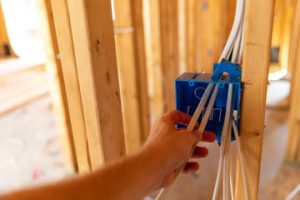
Proper electrical wiring is the backbone of every home, office, and commercial facility. It ensures that electricity is safely and efficiently distributed to power lighting, appliances, HVAC systems, and essential equipment. While modern conveniences make electricity a central part of daily life, improper wiring can turn a simple energy supply into a significant hazard. Electrical hazards not only threaten property but also pose severe safety risks to occupants, making proper installation, maintenance, and inspection of wiring systems critical. Understanding the importance of proper wiring and how to prevent common electrical hazards is essential for homeowners, facility managers, and property developers alike.

At its core, proper wiring ensures that electrical currents flow efficiently through circuits without overload, resistance, or interruption. Poorly installed or outdated wiring can cause overheating, short circuits, and even electrical fires. These hazards often develop silently over time, making early recognition and preventive measures vital. The safety and reliability of an electrical system depend on several factors, including correct wire sizing, proper grounding, secure connections, and adherence to local electrical codes. Failing to prioritize these elements can lead to dangerous conditions and costly repairs. Click Here to explore further details.

electrical

One of the most common consequences of improper wiring is the risk of electrical fires. Electrical fires often originate from overheated wires, loose connections, or overloaded circuits. According to safety statistics, wiring-related faults are among the leading causes of home and facility fires. A single improperly connected outlet, for instance, can generate enough heat to ignite surrounding materials. Ensuring that wiring is properly installed, using the correct type and gauge of wire, and avoiding makeshift or DIY connections can significantly reduce this risk.

Another hazard associated with faulty wiring is electrical shock. Exposed wires, improper grounding, or deteriorated insulation can expose occupants to dangerous voltages. Even low-level shocks can be harmful, and high-voltage exposure can result in severe injury or death. Proper grounding, use of circuit breakers and ground fault circuit interrupters (GFCIs), and routine inspections help mitigate the risk of electrical shock. These preventive measures are especially critical in areas prone to moisture, such as bathrooms, kitchens, and industrial facilities, where water can conduct electricity and amplify danger.

Power outages and equipment damage are additional consequences of poor wiring. Overloaded circuits and unstable connections can result in inconsistent voltage supply, causing lights to flicker and appliances to malfunction. Electronics, HVAC systems, and sensitive equipment are particularly vulnerable to voltage fluctuations, which can shorten the lifespan of these devices and lead to costly replacements. Upgrading electrical systems with proper wiring, surge protection, and correctly rated components ensures a reliable and stable power supply.

Understanding common wiring hazards can help property owners take proactive steps to prevent them. These hazards include:

  1. Overloaded circuits, where too many devices draw power from a single line
  2. Loose or improperly connected wires, which can cause arcing and sparks
  3. Damaged or frayed wiring insulation increases the risk of shock or fire
  4. Outdated wiring systems that cannot handle modern electrical loads

Addressing these hazards involves a combination of regular inspections, proper installation techniques, and adherence to safety standards.

One of the fundamental principles of proper wiring is correct wire sizing. Electrical wires come in various gauges, each designed to handle a specific current load. Using a wire that is too small for the circuit load can cause overheating, leading to insulation damage or fire. Conversely, oversized wires may be difficult to terminate correctly and could increase installation costs unnecessarily. Selecting the right wire gauge based on the circuit’s intended load is a critical step in preventing hazards.

Proper grounding is another essential component of safe wiring. Grounding provides a safe path for stray electrical currents, reducing the risk of shock and protecting equipment. All modern wiring systems include grounding conductors, but older installations may lack sufficient grounding. Ensuring that outlets, panels, and appliances are properly grounded is a simple yet highly effective way to improve electrical safety.

Circuit protection devices, such as fuses and circuit breakers, play a crucial role in hazard prevention. These devices are designed to interrupt power when circuits experience overloads or faults. Installing the correct breakers and fuses for each circuit and testing them regularly ensures that the system will respond appropriately during a fault condition. Ground fault circuit interrupters (GFCIs) and arc fault circuit interrupters (AFCIs) provide additional layers of protection, particularly in residential and commercial environments where safety is paramount.

In addition to safety, proper wiring also improves energy efficiency. Loose connections and poor-quality wiring can increase resistance, causing electricity to be wasted as heat. This not only elevates energy bills but can also accelerate wear on electrical components. Upgrading wiring to modern, high-quality materials reduces energy loss and enhances the overall efficiency of the electrical system.

Maintenance is another critical aspect of avoiding electrical hazards. Routine inspections help identify early signs of wiring problems, such as discoloration, buzzing sounds, or occasional tripping of breakers. Addressing these issues promptly prevents escalation and reduces the likelihood of emergencies. Homeowners and facility managers should schedule periodic evaluations, especially in older properties or buildings with high electrical demand.

Proper installation practices are equally important. All connections should be secure, outlets and switches properly mounted, and panels organized to allow safe access. Sloppy or rushed installation can create hidden hazards, including pinched wires, loose screws, or inadequate insulation. Professional electricians follow strict codes and standards, ensuring that wiring systems are safe, reliable, and up to current regulations.

Modern electrical systems offer additional benefits when properly installed. Smart panels, energy monitoring devices, and advanced breakers provide real-time insights into power usage, helping property owners identify inefficiencies or potential overloads. This proactive approach allows for targeted maintenance, improved energy management, and further reduction of risk.

Proper wiring is particularly crucial in commercial and industrial settings. Large-scale electrical systems supply power to machinery, lighting, heating, and technology networks. A single wiring fault in these environments can lead to significant downtime, equipment damage, or safety incidents. Ensuring that wiring is correctly installed, labeled, and maintained is essential to minimize operational disruption and protect employees.

There are several preventive measures that homeowners and facility managers should implement to maintain proper wiring:

  1. Schedule routine electrical inspections to detect early signs of wear or damage
  2. Upgrade old or insufficient wiring systems to accommodate current electrical loads
  3. Install circuit protection devices, including GFCIs and AFCIs, in key areas
  4. Avoid overloading circuits with too many devices or appliances

By following these guidelines, property owners reduce the likelihood of hazards and enhance the reliability of their electrical systems.

Energy efficiency and safety are not mutually exclusive. Properly installed wiring supports the integration of energy-efficient devices, including LED lighting, high-efficiency appliances, and smart home or building automation systems. Well-designed wiring allows these devices to operate optimally, reducing energy waste and extending the lifespan of both the electrical system and connected equipment.

Education and awareness are also critical components of hazard prevention. Occupants should be aware of the risks associated with DIY electrical work, overloading outlets, and using damaged cords. Understanding the warning signs of faulty wiring—such as flickering lights, warm outlets, unusual sounds, or burning smells—empowers individuals to act quickly and safely.

In conclusion, the importance of proper wiring cannot be overstated. From ensuring occupant safety and preventing fires to improving energy efficiency and protecting valuable equipment, correctly installed and maintained wiring is a foundational aspect of any property. Ignoring wiring quality or relying on outdated systems can lead to significant hazards and costly repairs.

Homeowners and facility managers who prioritize proper wiring reap long-term benefits, including safer living and working environments, lower energy costs, and enhanced operational reliability. Investing in professional installation, routine inspections, and timely upgrades is not merely a precaution—it is an essential component of responsible property management. With the right approach, proper wiring ensures that electrical systems function efficiently, safely, and reliably for years to come.

Luxury Bathroom Upgrades: Features That Elevate Comfort and Style

A bathroom is no longer viewed as a purely functional space. In modern home design, it has evolved into a private retreat—a place to unwind, recharge, and experience comfort daily. Luxury bathroom upgrades focus on blending aesthetics with advanced functionality, transforming ordinary routines into elevated experiences. From high-end materials to innovative technology, strategic enhancements can significantly improve both comfort and property value. When thoughtfully planned, a luxury Bathroom Remodel Lexington KY becomes a long-term investment in lifestyle and home equity.

bathroom remodel

The foundation of a luxury bathroom begins with intentional design. Rather than adding isolated premium features, a cohesive plan ensures that every element works together harmoniously. Layout optimization is often the priority. Expanding shower areas, incorporating double vanities, and improving traffic flow create a sense of openness and ease. A well-designed layout eliminates clutter, enhances accessibility, and establishes the spacious atmosphere that defines high-end interiors.

One of the most impactful luxury bathroom upgrades is a spa-inspired shower system. Standard showerheads are increasingly replaced with multi-functional systems that include rainfall fixtures, body sprays, handheld attachments, and digital temperature controls. These features create a customized bathing experience tailored to individual preferences. Frameless glass enclosures further elevate the design by showcasing tilework and maximizing visual space. The combination of advanced technology and sleek aesthetics transforms the shower into a focal point of relaxation.

Freestanding soaking tubs also play a central role in luxury bathroom remodeling. Positioned strategically within the layout, these tubs serve as both functional fixtures and architectural statements. Deep soaking capabilities encourage stress relief and comfort, while sculptural designs contribute to the overall elegance of the space. Incorporating a floor-mounted filler or wall-mounted fixtures enhances visual appeal and supports seamless integration with surrounding finishes.

High-end materials are essential when elevating a bathroom’s aesthetic value. Natural stone surfaces, engineered quartz countertops, and premium tile selections add durability and sophistication. Marble-inspired finishes, textured stone walls, and large-format porcelain tiles create a refined atmosphere while minimizing grout lines for easier maintenance. Investing in durable, visually striking materials ensures that the bathroom maintains its appeal for years to come.

Vanity design is another critical component of luxury bathroom upgrades. Custom or semi-custom vanities provide tailored storage solutions while reinforcing the room’s design theme. Soft-close drawers, integrated organizers, and hidden compartments enhance functionality without compromising style. Floating vanities add a contemporary touch while creating the illusion of additional space. Pairing these vanities with high-end hardware and vessel sinks contributes to a polished and cohesive look.

Lighting design significantly influences the ambiance of a luxury bathroom. Layered lighting systems combine task lighting, ambient illumination, and accent lighting to achieve balance and versatility. Backlit mirrors, under-cabinet lighting, and decorative sconces add depth and warmth. Dimmable controls allow homeowners to adjust brightness levels according to mood or time of day. Proper lighting enhances both functionality and relaxation, reinforcing the spa-like atmosphere.

Heated flooring represents a practical yet indulgent upgrade that enhances comfort year-round. Radiant heating systems installed beneath tile surfaces provide consistent warmth, particularly during colder seasons. This feature not only improves daily comfort but also contributes to energy efficiency when integrated with modern thermostats. The subtle luxury of warm floors elevates the overall experience without altering the room’s visual design.

Technology integration is becoming increasingly prominent in luxury bathroom remodeling. Smart mirrors with built-in lighting, touchless faucets, programmable shower systems, and integrated sound systems enhance convenience and personalization. These innovations reflect the broader trend of connected living environments. By incorporating smart features, homeowners gain greater control over their daily routines while reinforcing the modern appeal of the space.

Storage optimization remains essential, even in high-end bathrooms. A clutter-free environment is fundamental to achieving a luxurious feel. Recessed shelving, built-in niches, and concealed cabinets maintain clean lines and prevent overcrowding. Thoughtfully designed storage ensures that essential items remain accessible while preserving visual simplicity. A balance between accessibility and minimalism defines truly elevated interiors.

Luxury bathroom upgrades also prioritize comfort through thoughtful details. Plush towel warmers, high-quality textiles, and ergonomic fixtures contribute to daily enjoyment. Upgrading to a comfort-height toilet, incorporating a bidet function, or installing a built-in bench within the shower enhances usability. These refinements may appear subtle but collectively create a more sophisticated and comfortable environment.

Color palettes play a powerful role in defining luxury. Neutral tones such as soft grays, warm whites, and muted earth shades create a calming backdrop. Strategic use of contrasting accents, metallic finishes, or textured materials introduces depth without overwhelming the space. Cohesive color coordination across walls, cabinetry, and fixtures establishes visual harmony and timeless appeal.

When planning a high-end bathroom remodel, homeowners should prioritize upgrades that deliver both aesthetic and functional value. Consider focusing on:

  1. Premium plumbing fixtures with advanced water-saving technology and durable finishes.
  2. High-quality flooring and wall materials that combine longevity with sophisticated design.

Ventilation improvements are often overlooked but essential in maintaining a luxury environment. Proper ventilation prevents moisture buildup, mold growth, and material deterioration. Upgraded exhaust systems operate quietly while efficiently managing humidity levels. Maintaining air quality preserves finishes and ensures long-term performance.

Accessibility considerations can also be integrated seamlessly into luxury bathroom designs. Curbless showers, wider entryways, and strategically placed grab bars can enhance safety without compromising aesthetics. These features provide long-term practicality and accommodate evolving household needs. Planning for accessibility ensures that the bathroom remains functional for years to come.

Sustainability is increasingly intertwined with luxury. Eco-conscious materials, water-efficient fixtures, and energy-saving lighting solutions reflect responsible design choices. Low-flow showerheads and faucets reduce water consumption while maintaining strong performance. LED lighting minimizes energy use and extends bulb lifespan. Sustainable upgrades enhance both environmental responsibility and operational efficiency.

Acoustic design contributes to the tranquility of a luxury bathroom. Soundproofing walls and installing insulated doors reduce noise transmission from adjacent rooms. This privacy reinforces the sense of retreat and relaxation. Incorporating soft materials and textured surfaces can further dampen sound and create a serene atmosphere.

Mirrors serve both practical and decorative purposes. Oversized mirrors enhance light reflection and make the space appear larger. Framed or backlit options add architectural interest. Positioning mirrors strategically amplifies brightness and creates a sense of depth, especially in bathrooms with limited natural light.

Hardware finishes tie the design together. Coordinated finishes across faucets, drawer pulls, shower fixtures, and lighting elements create cohesion. Whether opting for brushed metal, matte finishes, or polished accents, consistency is key. High-quality finishes resist corrosion and maintain their appearance over time.

To ensure a successful luxury bathroom remodel, homeowners should adopt a strategic planning approach:

  1. Establish a clear design vision that integrates layout, materials, and technology cohesively.
  2. Allocate budget resources toward foundational elements before decorative accents.

Professional craftsmanship is critical in executing high-end upgrades. Precision installation ensures that materials align correctly, plumbing systems operate efficiently, and fixtures function seamlessly. Investing in experienced professionals reduces the likelihood of costly rework and ensures that the final result reflects the intended design quality.

Beyond immediate comfort, luxury bathroom upgrades offer a substantial return on investment. High-end bathrooms are highly attractive to potential buyers, contributing to increased property value and market competitiveness. Even for homeowners not planning to sell, the daily enjoyment derived from an upgraded bathroom justifies the investment.

The emotional impact of a luxurious bathroom should not be underestimated. Beginning and ending each day in a well-designed, comfortable environment enhances overall well-being. A spa-like atmosphere promotes relaxation, while functional improvements streamline routines. The bathroom becomes more than a utilitarian space; it transforms into a sanctuary within the home.

Ultimately, luxury bathroom upgrades are about thoughtful enhancement rather than excess. By focusing on quality materials, innovative features, and cohesive design, homeowners can create a space that elevates both comfort and style. From spa-inspired showers and freestanding tubs to smart technology and heated flooring, each upgrade contributes to a refined and enjoyable experience.

A well-executed luxury bathroom remodel blends beauty with performance, delivering lasting value and daily satisfaction. Through careful planning and strategic investment, homeowners can transform their bathrooms into elegant retreats that reflect both personal taste and modern living standards.

How Often Should You Schedule Air Duct Cleaning? A Complete Maintenance Guide

Maintaining a clean HVAC system is essential for a healthy and comfortable indoor environment, and air duct cleaning is a critical component of this maintenance. Over time, dust, allergens, mold, and debris accumulate within air ducts, reducing indoor air quality and causing HVAC systems to work harder than necessary. Many homeowners and facility managers wonder how often they should schedule professional air duct cleaning and what factors influence the ideal frequency. This comprehensive guide examines the signs, benefits, and recommended schedules for Duct Cleaning Salt Lake City and maintenance, helping property owners make informed decisions for both residential and commercial spaces.

air duct cleaning

Air ducts serve as the circulatory system of an HVAC unit, distributing heated or cooled air throughout the building. As air travels through these ducts, it carries not only warmth or coolness but also airborne particles such as dust, pet dander, pollen, and debris. Even high-quality filters cannot capture all contaminants, which means some particles eventually settle inside the ductwork. Over time, this accumulation can reduce airflow, decrease system efficiency, and create an environment for microbial growth, including mold and bacteria. Understanding when to schedule cleaning is essential to maintain both system performance and indoor air quality.

The Environmental Protection Agency and other industry organizations recommend air duct cleaning based on specific conditions rather than a strict calendar. While some property owners schedule cleaning every three to five years as a general guideline, the frequency should vary according to individual circumstances. Homes with pets, occupants with allergies, smokers, or properties in dusty environments may require more frequent cleaning. Similarly, commercial buildings with high traffic, shared HVAC systems, or older infrastructure may need annual or biannual maintenance to maintain optimal air quality.

Visible dust and debris around air vents and registers is often the first indication that air ducts may need cleaning. When dust accumulates on vent covers, in rooms, or on furniture shortly after cleaning, it suggests that contaminants are circulating through the HVAC system. This buildup not only affects cleanliness but also contributes to respiratory irritation and allergies. Property owners should consider scheduling professional air duct cleaning if dust accumulation becomes noticeable despite regular filter replacement and surface cleaning.

Mold and microbial growth are more serious indicators that ducts require attention. Moisture from leaks, high humidity, or condensation can create an environment conducive to mold proliferation. Mold spores can spread throughout the property via the HVAC system, potentially causing allergic reactions, asthma symptoms, or other health issues. If musty odors are present, or if occupants report increased respiratory discomfort when the system operates, immediate air duct cleaning is advised. Professional cleaning addresses both visible and hidden contaminants while minimizing the risk of health hazards.

Air quality concerns often guide the decision on how frequently to schedule duct cleaning. Homes or commercial spaces with occupants sensitive to dust, pollen, or other allergens may benefit from more regular cleaning, potentially every two to three years or sooner if signs of contamination are evident. Similarly, properties with pets, which shed hair and dander, may require more frequent attention to prevent allergens from accumulating and circulating. Seasonal factors, such as pollen-heavy spring months or dusty summer periods, may also necessitate periodic inspection and cleaning.

Energy efficiency is another consideration when determining air duct cleaning schedules. Accumulated dust and debris restrict airflow, forcing HVAC systems to work harder to maintain desired temperatures. This can lead to increased energy bills, uneven heating or cooling, and unnecessary wear on system components. Regular air duct cleaning helps maintain efficient airflow, reducing energy consumption and extending the life of HVAC equipment. Property owners who prioritize system efficiency often combine duct cleaning with routine filter replacement and annual HVAC servicing.

Odors originating from vents are another key indicator that cleaning may be needed. Dust, microbial growth, or residues from smoke, cooking, or pets can cling to duct surfaces and circulate unpleasant smells throughout the property. While filters may reduce the amount of particulate matter in the air, they cannot eliminate odors that are embedded in the ducts themselves. Persistent or unusual odors indicate that professional cleaning is necessary to restore fresh, breathable air and prevent lingering contamination.

In addition to these signs, several enumerated factors help determine how often air duct cleaning should be scheduled:

  1. Occupant Sensitivities – Individuals with allergies, asthma, or other respiratory conditions may benefit from more frequent cleaning to reduce airborne irritants.
  2. Pet Ownership – Homes with pets require more frequent attention due to hair, dander, and potential odors circulating through the system.
  3. Environmental Conditions – Properties in dusty areas, near construction sites, or subject to high pollen counts may accumulate debris more rapidly.
  4. System Age and Usage – Older HVAC systems or units with heavy usage may experience greater dust accumulation, necessitating more frequent cleaning.
  5. Recent Renovations or Repairs – Construction or remodeling can introduce large amounts of dust and debris into the ductwork, making immediate post-construction cleaning advisable.
  6. Moisture or Mold Issues – Any history of leaks, flooding, or high humidity requires prompt cleaning and inspection to prevent microbial growth.

While general guidelines suggest a three- to five-year interval for most properties, these factors highlight why individual assessment is critical. A property may need annual cleaning, while another may go longer without noticeable issues. Professional inspection helps determine the appropriate frequency and ensures that maintenance is both cost-effective and beneficial.

The cleaning process itself is a vital part of maintaining air quality and system efficiency. Professional air duct cleaning involves a thorough inspection to identify contamination and problem areas, followed by the use of specialized equipment such as high-powered vacuums, rotating brushes, and compressed air tools. This equipment removes dust, debris, and microbial growth from the ducts and ensures that contaminants are not simply displaced within the system. HEPA filtration is often used during cleaning to capture microscopic particles and prevent them from re-entering the property.

Some homeowners also incorporate air duct cleaning into a broader indoor air quality strategy. This includes regular filter replacement, ensuring proper humidity levels, and maintaining HVAC components such as coils, fans, and vents. By combining routine cleaning with preventive measures, property owners can maximize system efficiency, reduce allergens, and maintain a healthier living or working environment.

Another benefit of timely air duct cleaning is the protection of HVAC components. Accumulated debris can settle on fan blades, coils, and registers, leading to mechanical strain, reduced efficiency, and potential breakdowns. By cleaning ducts regularly, the system can operate more smoothly, reducing the need for costly repairs and extending its lifespan. This is particularly important in commercial buildings where downtime can affect operations and energy costs.

Odor management is also enhanced by regular cleaning. Eco-friendly and non-toxic cleaning solutions can be applied to ductwork during professional service to neutralize residual odors without introducing harmful chemicals. This ensures that air circulating throughout the property is fresh and safe for occupants, including children and pets.

Scheduling air duct cleaning also aligns with preventive maintenance plans. Many HVAC professionals recommend combining inspections, filter replacements, and duct cleaning into a comprehensive yearly or biannual service schedule. This approach allows property owners to proactively manage indoor air quality, anticipate potential problems, and maintain efficient system operation. Proper scheduling reduces the likelihood of emergency interventions, improves comfort, and supports long-term cost savings.

It is also important to note that air duct cleaning should be conducted by trained professionals. Attempting DIY cleaning can be ineffective or even damaging to ductwork and system components. Professionals have the knowledge, tools, and safety protocols to address all types of contamination, including mold, allergens, and accumulated debris, while ensuring that the system remains intact and operational.

Several practical tips can help property owners maintain cleaner air ducts between professional cleanings:

  1. Regular Filter Replacement – Change filters according to manufacturer recommendations to reduce particulate buildup.
  2. Routine Dusting and Vacuuming – Minimize the amount of dust and debris entering ductwork.
  3. Monitor for Moisture – Address leaks, condensation, or high humidity promptly to prevent microbial growth.
  4. Schedule Inspections – Have HVAC professionals inspect the system periodically for signs of wear, contamination, or airflow issues.
  5. Address Odors Quickly – Investigate and remediate unusual smells to prevent long-term contamination.

In conclusion, the frequency of air duct cleaning depends on multiple factors, including system usage, occupant sensitivities, environmental conditions, and the presence of moisture or contamination. While a general guideline of every three to five years can be applied to many properties, individual assessment is key to maintaining optimal indoor air quality, system efficiency, and occupant health. Professional cleaning not only removes accumulated debris and allergens but also prevents secondary damage, enhances HVAC performance, and improves overall comfort. By combining scheduled cleaning with preventive maintenance measures, property owners can ensure a safe, efficient, and healthy environment year-round.

Ravi Abuvala Review

Ravi promises participants that his academy will teach them the exact framework and skill set he used to generate over $9 million in the past three years. They also claim that they will help participants secure their first high-paying client within 90 days of enrolling in their program.

Despite these lofty claims, many people wonder whether or not the Remote Integrator Academy is actually legit. Is it worth your time and money? Check out Ravi Abuvala Reviews to learn more.

What is Ravi Abuvala?

Ravi Abuvala Reviews

Ravi Abuvala is an entrepreneur and business coach that has created several training programs. His most popular program is called Scaling With Systems and teaches people how to use automated systems and virtual assistants to grow their businesses. He claims that his system can help people make six figures and is able to free up their time.

However, the truth is that there are many reasons why you should be skeptical of his claims. For one, his training programs are expensive and he does not disclose what skills you will learn. Additionally, he has a reputation for making bold claims and offering no guarantees.

In his early career, Abuvala worked as a social media manager and public relations director for a restaurant at Santa Rosa Beach in Florida. He was able to increase the restaurant’s social media following by over six times during his time there. He also interned for the office of Governor Rick Scott in January 2015 and was responsible for reaching out to government officials and sponsors.

After his stint as an intern, he decided to focus on entrepreneurship. He created his first lead generation training program, Prospect Social in 2016, where he taught real estate professionals how to generate leads online. He later founded the Scaling With Systems program in 2019 and then the Remote Integrator Academy in 2021.

Both of these programs claim to teach their students how to become “remote integrators,” a term that describes someone who helps online businesses and entrepreneurs automate their processes. The goal is to allow them to separate their time from their money and make passive income online.

While most coaches will only give you a course and some tools, Ravi goes above and beyond. He actually provides his students with the tools and services that they need to succeed. He even has a dedicated success agent that will work with you on a one-on-one basis to ensure that you are successful in your business.

What is Scaling With Systems?

Scalability is an important attribute of a system. It allows developers to adjust resources based on demand, which can save them money. It also means that a system can grow without significant rework. This is essential for businesses that expect growth. There are two types of scaling: horizontal and vertical. Horizontal scaling involves adding additional servers to support a system’s computing requirements, while vertical scaling involves increasing the capacity of existing servers. Both methods can be used to increase application performance.

Ravi Abuvala is the founder of Scaling With Systems, a business accelerator that helps bootstrap and scale clients’ businesses using paid advertising, sales funnels, and fully-trained overseas assistants. In the past 14 months, he has helped clients build 7-figure businesses.

What is the Remote Integrator Academy?

The Remote Integrator Academy is a unique training program that teaches individuals how to become successful remote integrators. This business model allows individuals to provide businesses with efficient and streamlined systems that can help them save time and money. It also helps individuals build a flexible income source that can be used for various purposes, such as as a side hustle or to supplement their main source of income. The academy offers a number of benefits to its students, including access to a private Facebook support group and small accountability groups. It also provides one-on-one coaching sessions with a success coach. Upon graduation, students can also gain access to the academy’s “Placement Program” where they may be placed with clients who are looking for remote integrators.

The course curriculum covers various aspects of the remote integration industry, including business systems, automation strategies, and project management. The program also teaches aspiring remote integrators how to create high-value services that can improve the productivity and profitability of their businesses. Additionally, the course teaches students how to build a strong online presence and generate leads for their business.

Ravi Abuvala is a successful entrepreneur who has built multiple businesses and earned substantial financial success. He is the founder of Scaling With Systems and the Remote Integrator Academy, a platform that aims to train people in the art of outsourcing and client acquisition. He is a frequent speaker at conferences and events, sharing his experiences and expertise on topics related to business growth.

While many people have found success through the Remote Integrator Academy, some have reported negative feedback about the program. For example, some Reddit users have claimed that the course is a scam. Others have expressed concerns about the lack of actionable steps and hidden expenses in the program. Regardless of the complaints, the academy has continued to grow and evolve over the years. It remains an important resource for aspiring entrepreneurs who want to learn how to make money online by creating efficient business systems. In addition, it offers a comprehensive curriculum and a supportive community that can help individuals achieve their financial goals.

Is Ravi Abuvala a Scam?

Ravi Abuvala is a well-known business coach who creates training programs to teach others how to make money online. His most popular program is Scaling With Systems, which teaches students how to use automation and virtual assistants to increase the productivity of their businesses. Ravi also has a reputation for helping people with their lead generation businesses, and his clients claim that he has helped them earn 6-figure incomes in a short period of time.

However, some of the claims that Ravi makes about his courses are questionable. For instance, he often says that he has been featured on prominent websites like Fox News and Entrepreneur. These statements are untrue, and they may be used to lure customers into buying his expensive training programs.

Another controversial aspect of Ravi’s training programs is that he requires a large investment for a course that offers no guarantee of success. In addition, his refund policy only lasts 30 days, so it is difficult for newcomers to get a full refund if they are not satisfied with the training.

Despite the controversy, Ravi is a legitimate businessman who has built a profitable company by leveraging his knowledge of marketing and technology. He has created a number of training programs to teach others how to create online businesses and generate leads. In addition, he has an extensive network of business associates who can help him connect with potential customers.

After graduating from law school, Ravi dropped out of his career as a lawyer to pursue his passion for marketing. He started his own online marketing agency, Prospect Social, and has since created several other training programs. He has also been featured on numerous business podcasts and blogs.

Ravi’s most famous training program is Scaling With Systems, which was founded in 2019. This course teaches CEOs how to scale their companies using automation and virtual assistants. He has also created the Remote Integrated Academy, which teaches students how to run their own agencies. The academy is a bit more expensive than Scaling With Systems, but it does offer a money-back guarantee if the student is not satisfied with the training.

The Power of Local Marketing Vault: What It Is and Why It Matters

Local Marketing

In the digital world, every business faces one big challenge: how to stand out in the local market. Competing with big brands is tough, but local businesses have a secret weapon when they use the right strategies. That’s where the concept of Local Marketing Vault comes in.

This approach is not just another marketing buzzword. It’s a system that helps businesses build visibility, attract leads, and create sustainable growth in their communities. If you’re wondering what Local Marketing Vault is, how it works, and why it can make or break your marketing success, this guide breaks it down. Check out Local Marketing Vault Review to learn more.

What Is Local Marketing Vault?

Local Marketing Vault is a structured system designed to help businesses succeed with local digital marketing. Think of it as a toolkit or framework that gives you proven strategies, templates, and processes to generate leads and build a strong online presence in a specific geographic area.

The core idea is simple. Instead of guessing what might work in digital marketing, Local Marketing Vault offers a ready-to-use playbook. It shows you how to target the right people, capture attention, and turn prospects into paying customers.

Why Local Marketing Matters

Before looking deeper into Local Marketing Vault, it’s important to understand why local marketing itself matters so much.

  1. Most customers search locally. A majority of consumers look online before choosing a nearby service or store. They often search on Google or social media, and they want fast results close to home.
  2. Competition is fierce. Large national companies have the money to dominate broad markets, but local businesses can compete effectively by focusing on their neighborhoods.
  3. Trust is easier to build locally. People want to support businesses they recognize and can physically reach. A strong local presence builds confidence and loyalty.

The Foundation of Local Marketing Vault

Local Marketing Vault is built around several core elements that work together. Each piece plays a role in making sure a business doesn’t just get clicks but actually gets customers.

1. Lead Generation Strategies

At the heart of Local Marketing Vault is lead generation. It provides tested ads, funnels, and campaigns that draw in potential customers. Instead of wasting money on guesswork, businesses can use strategies that are already proven to deliver results.

2. Digital Advertising Playbook

Running ads on platforms like Google and Facebook is essential today. Local Marketing Vault simplifies this by giving you templates and campaign setups that take the mystery out of digital advertising.

3. Conversion Funnels

Getting clicks is not enough. A good funnel guides someone from the first click to becoming a paying customer. Local Marketing Vault emphasizes funnels designed to capture contact information, nurture leads, and close sales.

4. Automation Tools

Manual follow-up wastes time and allows opportunities to slip away. Automation is part of the system, helping businesses stay consistent with emails, texts, and reminders that keep prospects engaged.

5. Ongoing Support and Updates

Digital marketing is always changing. Algorithms shift, consumer behavior evolves, and ad platforms introduce new features. Local Marketing Vault provides updated methods so the system stays effective over time.

How Local Marketing Vault Works in Practice

Let’s break down how a business might use Local Marketing Vault step by step.

  1. Identify the local audience. The first step is targeting people who are actively searching for the service or product in a specific area.
  2. Launch ads. Using ready-made templates, a business runs ads on social media or search engines that are built to capture attention.
  3. Capture leads. Those ads push traffic into funnels where visitors share their contact information in exchange for something valuable, like a quote or consultation.
  4. Nurture relationships. Automated systems follow up with emails or texts to keep leads engaged until they are ready to buy.
  5. Convert to sales. The structured process ensures fewer leads are lost, which means more conversions and higher revenue.

Benefits of Local Marketing Vault

The value of using Local Marketing Vault goes beyond just generating leads. It provides long-term advantages that help businesses grow sustainably.

1. Saves Time and Energy

Building marketing campaigns from scratch can take weeks of trial and error. Local Marketing Vault cuts that time drastically by giving you a tested system.

2. Reduces Risk

Investing in advertising always carries risk, but using proven templates and strategies lowers the chances of wasting money on campaigns that don’t work.

3. Provides Consistency

Instead of random marketing efforts, businesses get a reliable process. Consistency is key to creating lasting growth.

4. Builds Confidence

Having a clear system in place reduces the uncertainty and stress that come with running digital campaigns. Business owners feel more in control.

5. Scales Easily

Once the system is working, it can be scaled up. More ads, larger reach, and expanded services can all build on the same foundation.

Common Misconceptions About Local Marketing Vault

Because the term sounds like jargon, people sometimes misunderstand what Local Marketing Vault really is. Let’s clear up a few myths.

  • Myth 1: It’s only for tech experts. The system is designed for beginners and provides step-by-step guidance.
  • Myth 2: It works like magic. It’s a proven framework, but it still requires effort, testing, and consistency.
  • Myth 3: It’s only for big budgets. Local Marketing Vault can be used with small ad spends and then scaled up as results grow.
  • Myth 4: It replaces traditional marketing. Offline strategies like networking or referrals still matter, but Local Marketing Vault enhances them by adding digital power.

Who Can Benefit Most from Local Marketing Vault

While almost any business can use it, Local Marketing Vault is especially valuable for:

  • Service-based businesses like contractors, plumbers, or landscapers
  • Local shops and retailers
  • Health and wellness providers
  • Professionals like lawyers, dentists, or consultants
  • Real estate agents and property managers

These types of businesses thrive on local visibility and a steady stream of leads.

Practical Tips for Success with Local Marketing Vault

If you decide to use Local Marketing Vault, here are some practical tips to maximize results:

  1. Start small with ads. Test campaigns with a modest budget, then scale once you see positive returns.
  2. Focus on mobile users. Most local searches happen on mobile devices, so ensure funnels and ads are mobile-friendly.
  3. Follow up fast. Leads are more likely to convert when they hear back quickly, so don’t delay.
  4. Track results. Monitor metrics like cost per lead, conversion rate, and return on investment to stay informed.
  5. Keep learning. Marketing changes quickly, and the more you learn, the better you can adapt.

The Future of Local Marketing

Local marketing is only becoming more important. As search engines and social media platforms refine their algorithms, people get more personalized results. That means businesses that use tools like Local Marketing Vault will have an advantage.

Consumers are also demanding faster service, clearer communication, and better experiences. Businesses that use structured systems can meet those expectations while their competitors struggle to keep up.

Final Thoughts

Local Marketing Vault is more than a buzzword. It’s a system that gives businesses a roadmap to succeed in today’s competitive digital landscape. By combining proven strategies with automation and structure, it helps local businesses do what matters most: attract customers, grow steadily, and build trust in their communities.

For businesses looking to move beyond trial and error, Local Marketing Vault offers a practical, results-driven path forward. It’s not about chasing the latest trend but about having a reliable system that works today and adapts for tomorrow.