Maintaining a clean HVAC system is essential for a healthy and comfortable indoor environment, and air duct cleaning is a critical component of this maintenance. Over time, dust, allergens, mold, and debris accumulate within air ducts, reducing indoor air quality and causing HVAC systems to work harder than necessary. Many homeowners and facility managers wonder how often they should schedule professional air duct cleaning and what factors influence the ideal frequency. This comprehensive guide examines the signs, benefits, and recommended schedules for Duct Cleaning Salt Lake City and maintenance, helping property owners make informed decisions for both residential and commercial spaces.
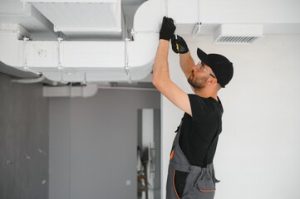
Air ducts serve as the circulatory system of an HVAC unit, distributing heated or cooled air throughout the building. As air travels through these ducts, it carries not only warmth or coolness but also airborne particles such as dust, pet dander, pollen, and debris. Even high-quality filters cannot capture all contaminants, which means some particles eventually settle inside the ductwork. Over time, this accumulation can reduce airflow, decrease system efficiency, and create an environment for microbial growth, including mold and bacteria. Understanding when to schedule cleaning is essential to maintain both system performance and indoor air quality.
The Environmental Protection Agency and other industry organizations recommend air duct cleaning based on specific conditions rather than a strict calendar. While some property owners schedule cleaning every three to five years as a general guideline, the frequency should vary according to individual circumstances. Homes with pets, occupants with allergies, smokers, or properties in dusty environments may require more frequent cleaning. Similarly, commercial buildings with high traffic, shared HVAC systems, or older infrastructure may need annual or biannual maintenance to maintain optimal air quality.
Visible dust and debris around air vents and registers is often the first indication that air ducts may need cleaning. When dust accumulates on vent covers, in rooms, or on furniture shortly after cleaning, it suggests that contaminants are circulating through the HVAC system. This buildup not only affects cleanliness but also contributes to respiratory irritation and allergies. Property owners should consider scheduling professional air duct cleaning if dust accumulation becomes noticeable despite regular filter replacement and surface cleaning.
Mold and microbial growth are more serious indicators that ducts require attention. Moisture from leaks, high humidity, or condensation can create an environment conducive to mold proliferation. Mold spores can spread throughout the property via the HVAC system, potentially causing allergic reactions, asthma symptoms, or other health issues. If musty odors are present, or if occupants report increased respiratory discomfort when the system operates, immediate air duct cleaning is advised. Professional cleaning addresses both visible and hidden contaminants while minimizing the risk of health hazards.
Air quality concerns often guide the decision on how frequently to schedule duct cleaning. Homes or commercial spaces with occupants sensitive to dust, pollen, or other allergens may benefit from more regular cleaning, potentially every two to three years or sooner if signs of contamination are evident. Similarly, properties with pets, which shed hair and dander, may require more frequent attention to prevent allergens from accumulating and circulating. Seasonal factors, such as pollen-heavy spring months or dusty summer periods, may also necessitate periodic inspection and cleaning.
Energy efficiency is another consideration when determining air duct cleaning schedules. Accumulated dust and debris restrict airflow, forcing HVAC systems to work harder to maintain desired temperatures. This can lead to increased energy bills, uneven heating or cooling, and unnecessary wear on system components. Regular air duct cleaning helps maintain efficient airflow, reducing energy consumption and extending the life of HVAC equipment. Property owners who prioritize system efficiency often combine duct cleaning with routine filter replacement and annual HVAC servicing.
Odors originating from vents are another key indicator that cleaning may be needed. Dust, microbial growth, or residues from smoke, cooking, or pets can cling to duct surfaces and circulate unpleasant smells throughout the property. While filters may reduce the amount of particulate matter in the air, they cannot eliminate odors that are embedded in the ducts themselves. Persistent or unusual odors indicate that professional cleaning is necessary to restore fresh, breathable air and prevent lingering contamination.
In addition to these signs, several enumerated factors help determine how often air duct cleaning should be scheduled:
- Occupant Sensitivities – Individuals with allergies, asthma, or other respiratory conditions may benefit from more frequent cleaning to reduce airborne irritants.
- Pet Ownership – Homes with pets require more frequent attention due to hair, dander, and potential odors circulating through the system.
- Environmental Conditions – Properties in dusty areas, near construction sites, or subject to high pollen counts may accumulate debris more rapidly.
- System Age and Usage – Older HVAC systems or units with heavy usage may experience greater dust accumulation, necessitating more frequent cleaning.
- Recent Renovations or Repairs – Construction or remodeling can introduce large amounts of dust and debris into the ductwork, making immediate post-construction cleaning advisable.
- Moisture or Mold Issues – Any history of leaks, flooding, or high humidity requires prompt cleaning and inspection to prevent microbial growth.
While general guidelines suggest a three- to five-year interval for most properties, these factors highlight why individual assessment is critical. A property may need annual cleaning, while another may go longer without noticeable issues. Professional inspection helps determine the appropriate frequency and ensures that maintenance is both cost-effective and beneficial.
The cleaning process itself is a vital part of maintaining air quality and system efficiency. Professional air duct cleaning involves a thorough inspection to identify contamination and problem areas, followed by the use of specialized equipment such as high-powered vacuums, rotating brushes, and compressed air tools. This equipment removes dust, debris, and microbial growth from the ducts and ensures that contaminants are not simply displaced within the system. HEPA filtration is often used during cleaning to capture microscopic particles and prevent them from re-entering the property.
Some homeowners also incorporate air duct cleaning into a broader indoor air quality strategy. This includes regular filter replacement, ensuring proper humidity levels, and maintaining HVAC components such as coils, fans, and vents. By combining routine cleaning with preventive measures, property owners can maximize system efficiency, reduce allergens, and maintain a healthier living or working environment.
Another benefit of timely air duct cleaning is the protection of HVAC components. Accumulated debris can settle on fan blades, coils, and registers, leading to mechanical strain, reduced efficiency, and potential breakdowns. By cleaning ducts regularly, the system can operate more smoothly, reducing the need for costly repairs and extending its lifespan. This is particularly important in commercial buildings where downtime can affect operations and energy costs.
Odor management is also enhanced by regular cleaning. Eco-friendly and non-toxic cleaning solutions can be applied to ductwork during professional service to neutralize residual odors without introducing harmful chemicals. This ensures that air circulating throughout the property is fresh and safe for occupants, including children and pets.
Scheduling air duct cleaning also aligns with preventive maintenance plans. Many HVAC professionals recommend combining inspections, filter replacements, and duct cleaning into a comprehensive yearly or biannual service schedule. This approach allows property owners to proactively manage indoor air quality, anticipate potential problems, and maintain efficient system operation. Proper scheduling reduces the likelihood of emergency interventions, improves comfort, and supports long-term cost savings.
It is also important to note that air duct cleaning should be conducted by trained professionals. Attempting DIY cleaning can be ineffective or even damaging to ductwork and system components. Professionals have the knowledge, tools, and safety protocols to address all types of contamination, including mold, allergens, and accumulated debris, while ensuring that the system remains intact and operational.
Several practical tips can help property owners maintain cleaner air ducts between professional cleanings:
- Regular Filter Replacement – Change filters according to manufacturer recommendations to reduce particulate buildup.
- Routine Dusting and Vacuuming – Minimize the amount of dust and debris entering ductwork.
- Monitor for Moisture – Address leaks, condensation, or high humidity promptly to prevent microbial growth.
- Schedule Inspections – Have HVAC professionals inspect the system periodically for signs of wear, contamination, or airflow issues.
- Address Odors Quickly – Investigate and remediate unusual smells to prevent long-term contamination.
In conclusion, the frequency of air duct cleaning depends on multiple factors, including system usage, occupant sensitivities, environmental conditions, and the presence of moisture or contamination. While a general guideline of every three to five years can be applied to many properties, individual assessment is key to maintaining optimal indoor air quality, system efficiency, and occupant health. Professional cleaning not only removes accumulated debris and allergens but also prevents secondary damage, enhances HVAC performance, and improves overall comfort. By combining scheduled cleaning with preventive maintenance measures, property owners can ensure a safe, efficient, and healthy environment year-round.